What role can a museum play in the twenty-first century? Is it merely a repository of the past and a neutral narrator of history? Or is it a space where society reconsiders its present through a dialogue with the past while imagining possible futures?
The theme of the 2026 International Museum Day, Museum Unites the Divided World, emerged from ongoing discussions about contemporary challenges and the evolving understanding of museums today. Celebrated worldwide by the initiative of the International Council of Museums (ICOM), this year’s theme positions museums as living cultural platforms where knowledge, memory, dialogue, and social participation are continuously created and transformed.
At a time when societies are increasingly fragmented by political, social, ecological, and technological changes, the role of museums acquires renewed significance. Museums are no longer simply places where objects are preserved; they are spaces where different temporalities, disciplines, and experiences intersect. Consequently, one of the central questions of contemporary museum practice has become: how can museums create connections where only differences and boundaries seem to exist?
Within this context, the State Silk Museum developed its 2026 International Museum Week around the overarching concept “Back to the Nature: The Museum Re-connects.” The initiative was grounded in the idea that nature is not merely an object of study or representation. Rather, it constitutes a shared space that connects people, cultures, systems of knowledge, and historical experiences. Observing nature, in this sense, involves not only an interest in the environment but also a reflection on our own place within it and our responsibilities toward it.
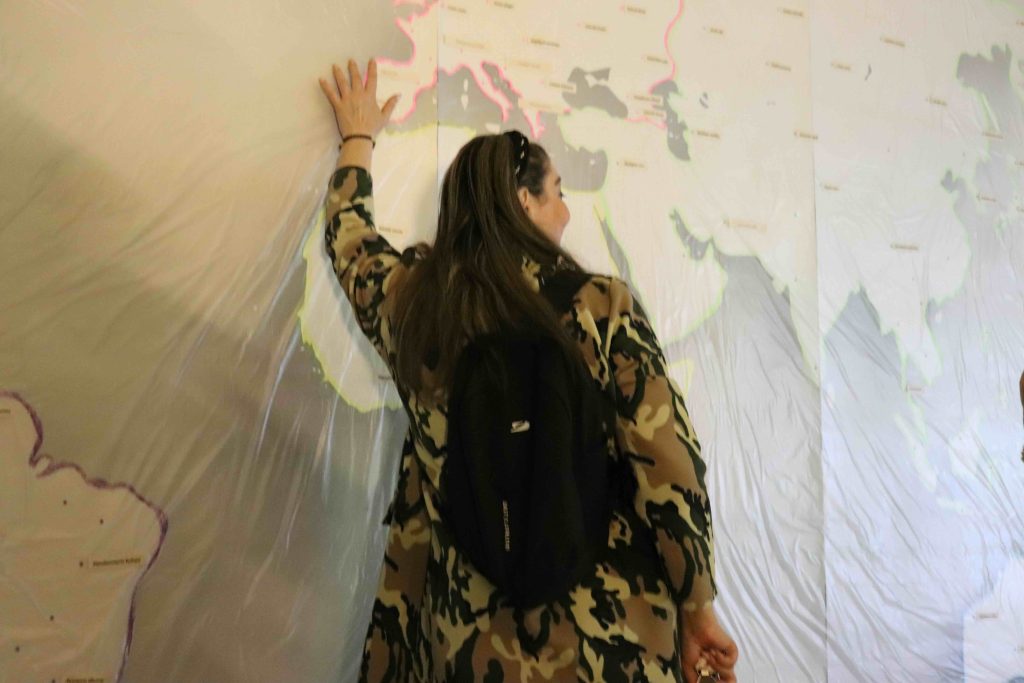
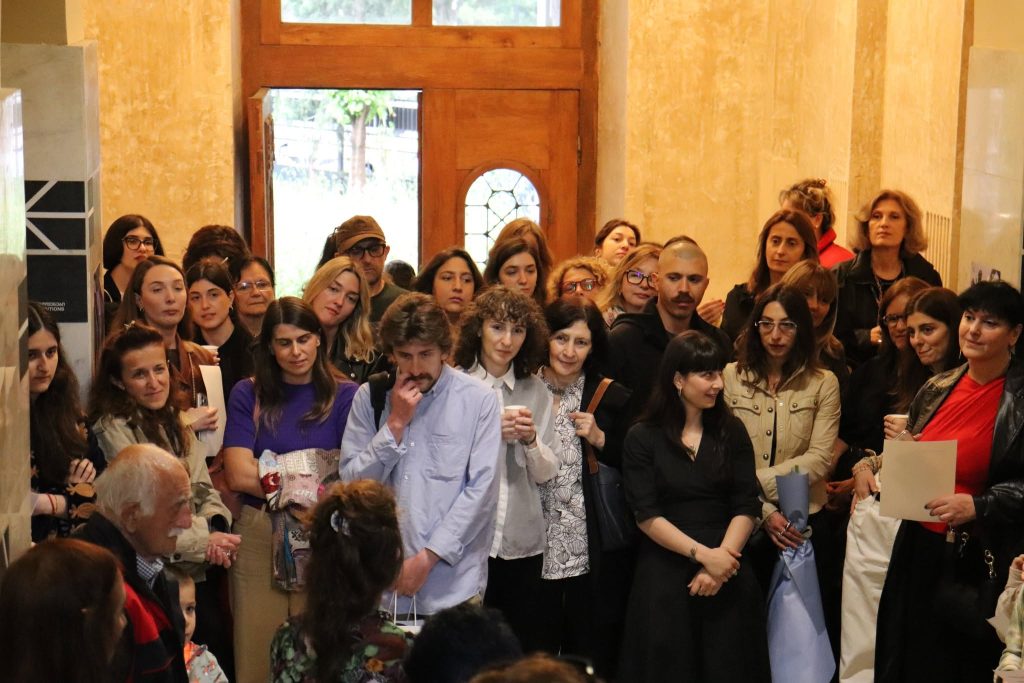
The week’s programme brought together several interconnected strands: new exhibitions based on the museum’s historical collections, contemporary artistic interpretations and research projects, architectural and urban investigations, educational activities, and multimedia presentations. While each project employed a distinct language, all revolved around a common question: how do we perceive nature and our environment today, and in what ways do we connect with them?
Two themes drawn from the museum’s collections formed the core of this dialogue:
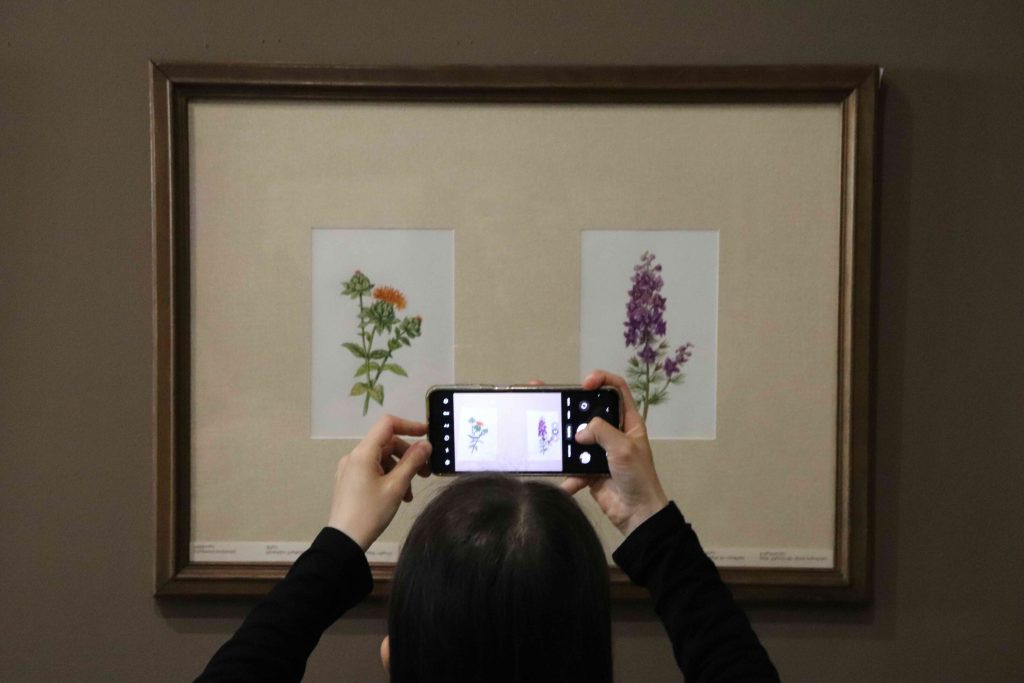
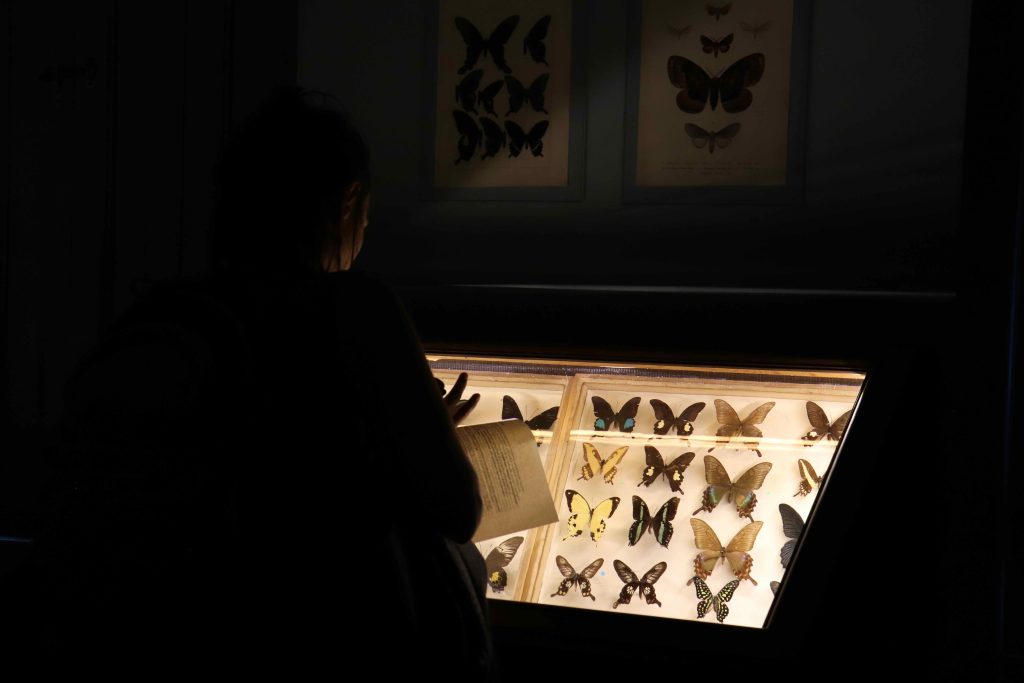
- the world of plants, the history of natural dyes, and the reinterpretation of traditional knowledge;
- the entomological butterfly collection as a visual archive of transformation, fragility, and ephemerality.
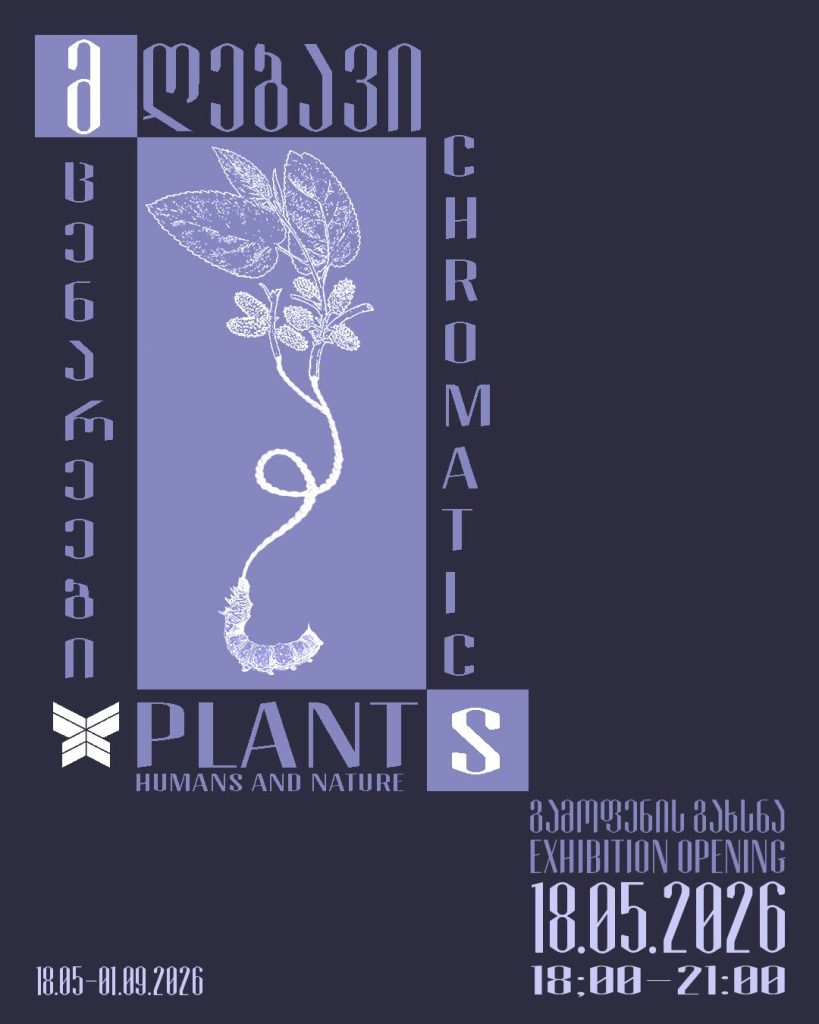
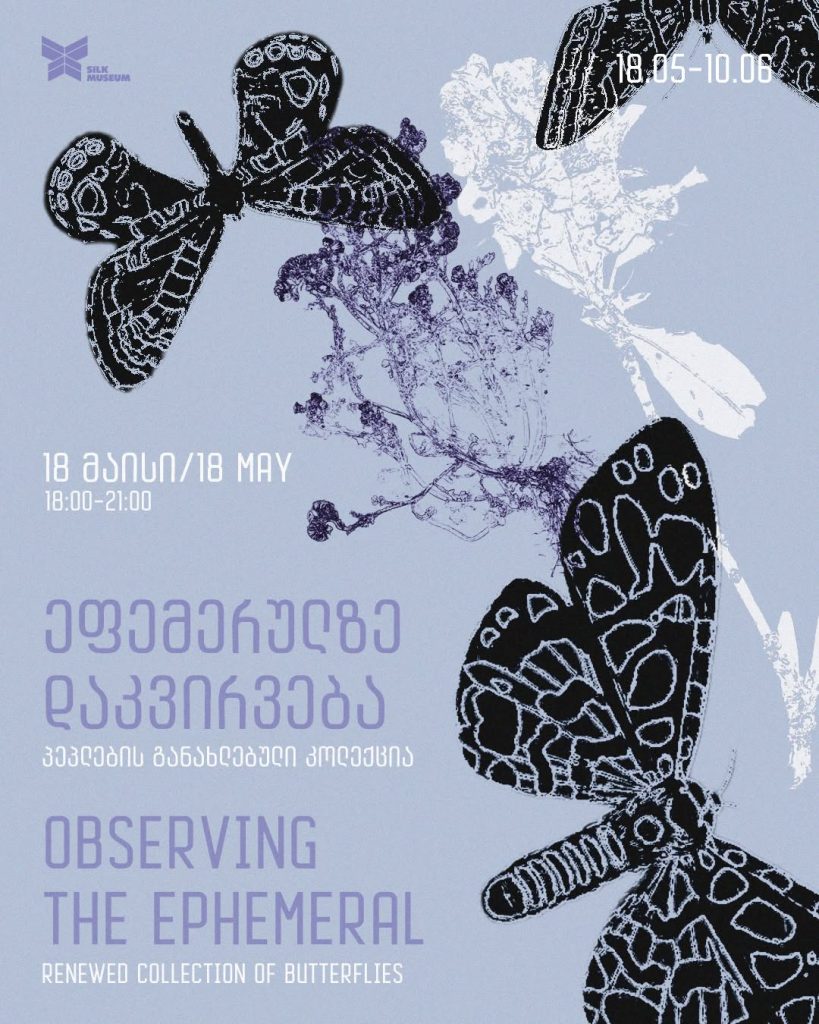
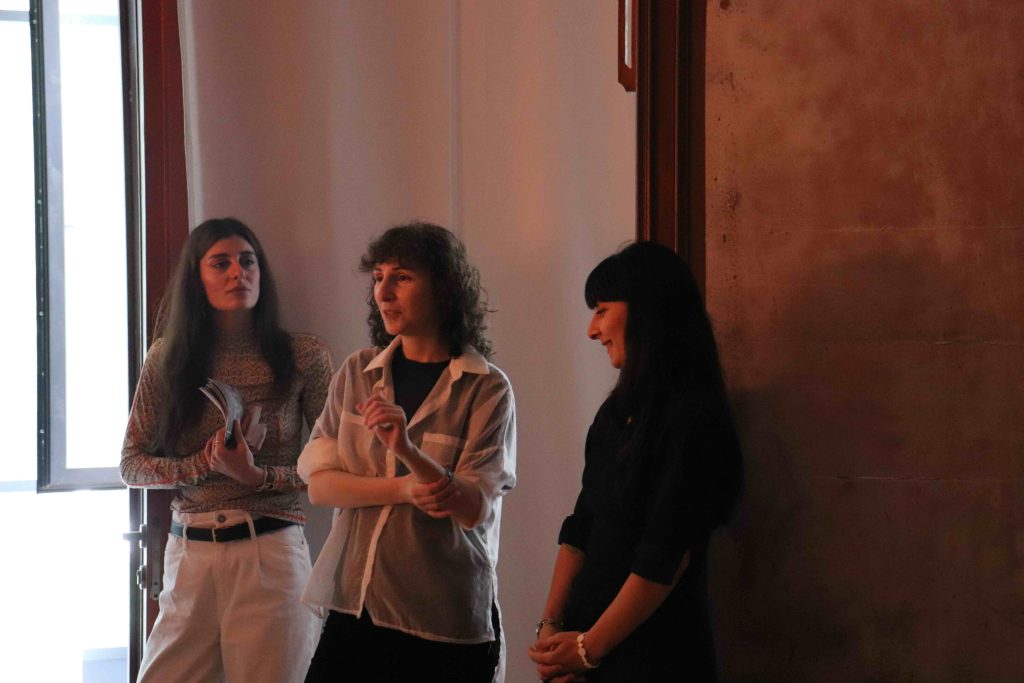
Alongside these exhibitions, the programme included presentations of architectural projects. Within the framework of Genius Loci Tbilisi, architects Nata Nebieridze and Masha Chighvinadze presented the exhibition “Museum and River.” The project explores urban memory and the Kura River as a cultural landscape while developing into an open research platform that will continue through the end of 2026.
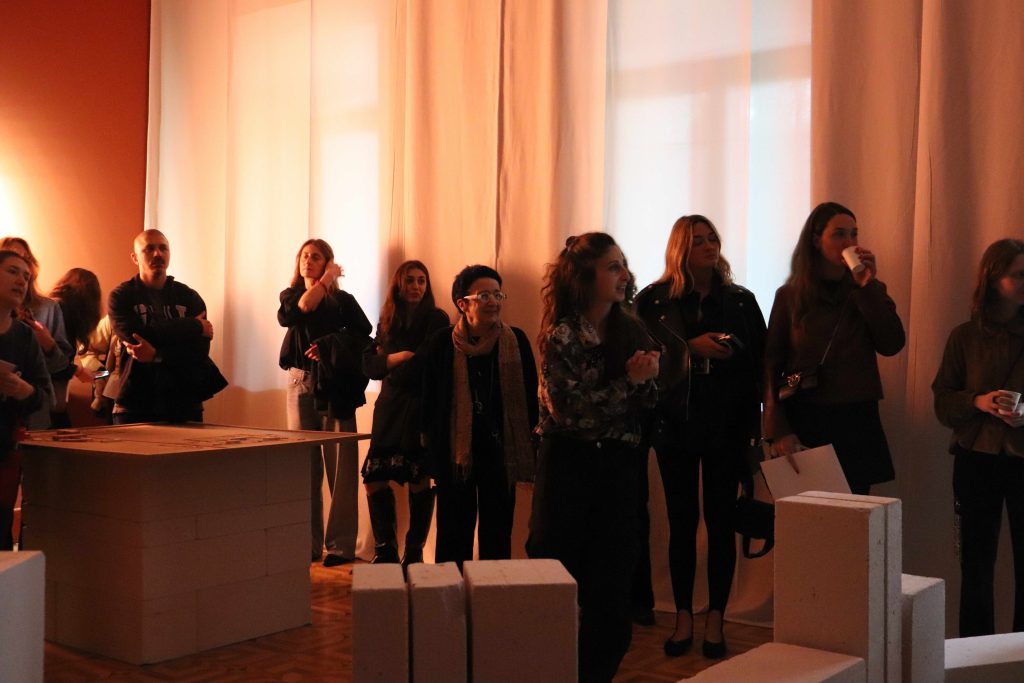
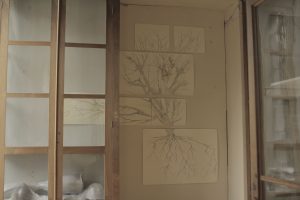
Another important event was the presentation by architect Nino Chachkhiani, author of the museum’s rehabilitation project. Her site-specific wall installation, “History Notebooks” brings together materials related to the museum’s restoration while simultaneously reviving the architectural biography of the building itself, tracing its transformations across time.
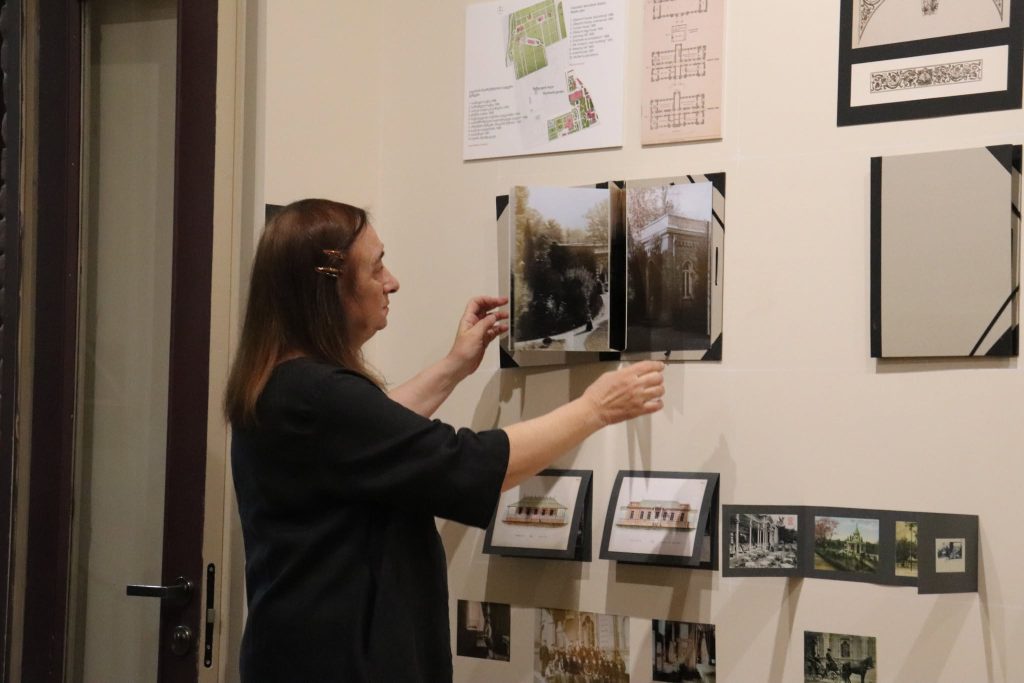
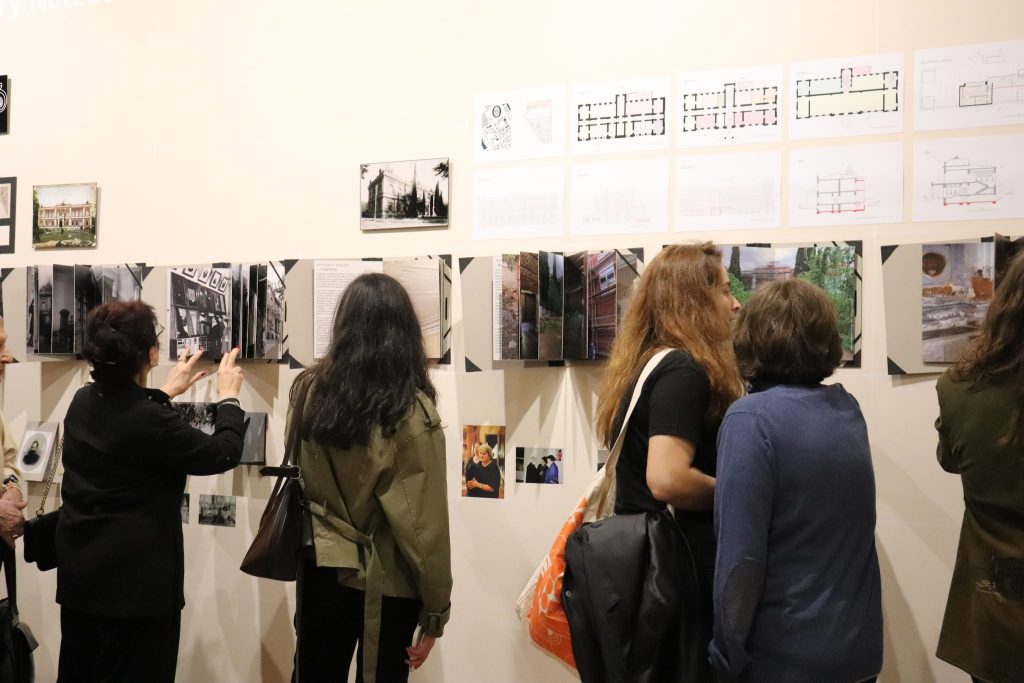
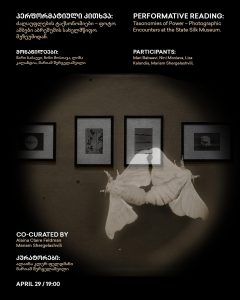
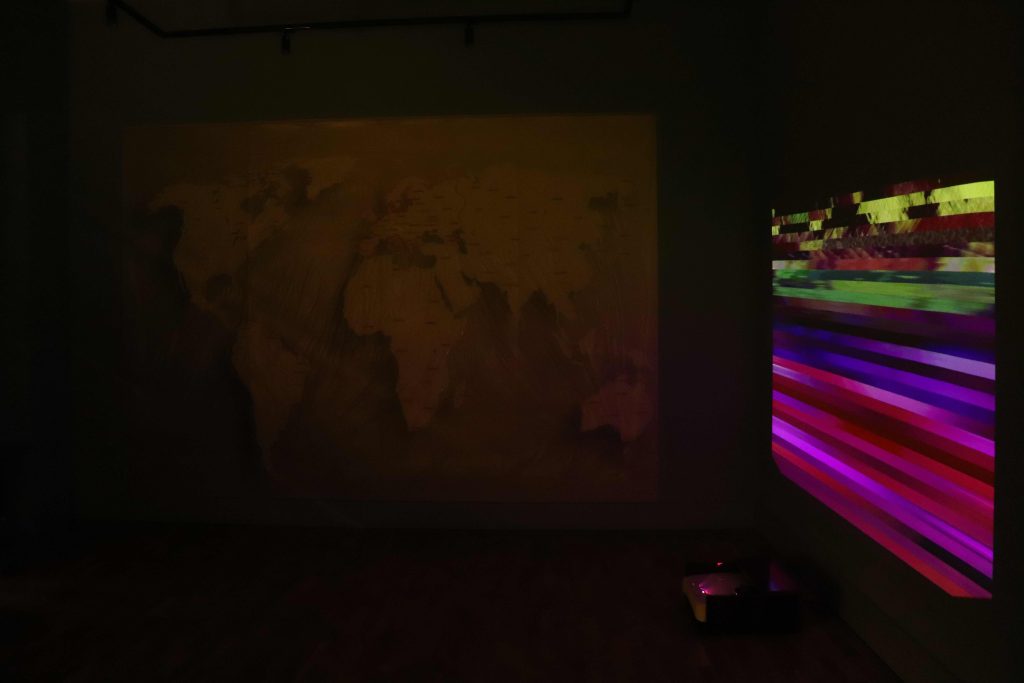
The culmination of Museum Week 2026 was the initiative “Museum Night.” For one evening, the museum’s spaces operated according to a completely different rhythm. The historic building was transformed into a multimedia environment where art, architecture, sound, and moving image intersected. Video performances, experimental films, audiovisual installations, and projections activated both the museum’s basement and garden, offering visitors new perspectives on familiar spaces.
This temporary nocturnal transformation highlighted the museum’s multifaceted role and its capacity to function as an active contemporary cultural platform.
The present blog offers an overview of this multilayered experience. The following chapters introduce the exhibitions and programmes that transformed the State Silk Museum into a space of encounter between nature, knowledge, and dialogue during the 2026 International Museum Week. Together, they reflect a contemporary understanding of the museum’s mission: cultural heritage is not only preserved but continually generates new questions and creates connections precisely where they are most needed.
Text and concepts by Exhibition Curator Mariam Shergelashvili
The programme and the blog were developed within the framework of the Museum’s Exhibition Internship Programme led by museum exhibition curator Mariam Shergelashvili.
Participating interns: Mariam Gegidze, Elene Mardaleishvili, Vato Maghradze, Nino Papuashvili.
Lead Advisor for the Museum’s Temporary Exhibition Programme:
Museum Director Nino (Chuka) Kuprava
Advisors: Valeri Petrov – Conservator and Biologist. Salome Phachuashvili – Collections Curator. Marina Gonashvili – Chief Librarian. Sofio Injia – Biologist
Graphic Design: Anano Gogichadze and Vato Maghradze