Museum Night 2026
As part of International Museum Week, the State Silk Museum once again hosted Museum Night, transforming its historic premises for a single evening into a multilayered environment of contemporary art, audiovisual experimentation, installations, projections, and moving images. Through a dialogue between the museum’s architecture, permanent collections, and contemporary media, the event created a space where past and future, nature and technology, converged into a shared experience.
Although the works presented throughout the evening varied significantly in theme and medium, they were connected by recurring ideas of memory, time, transformation, return, and human connection.
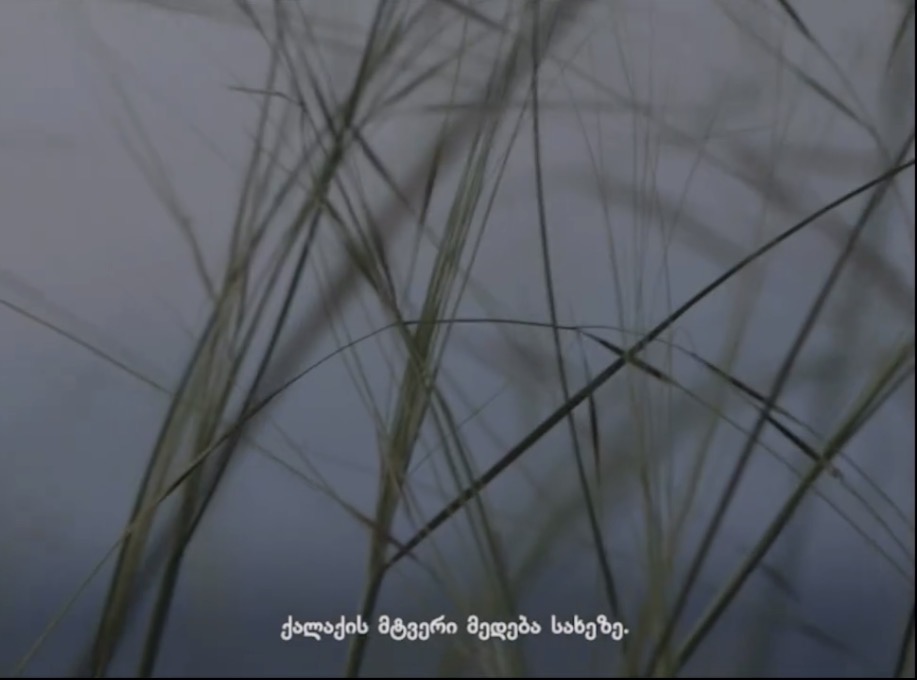
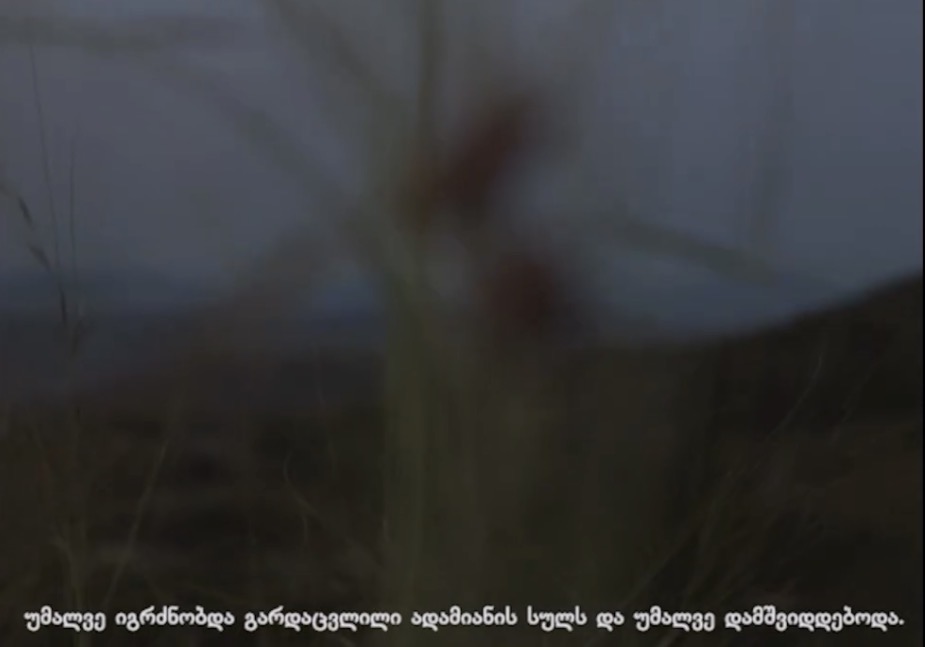
In the museum’s experimental basement space, visitors encountered a series of experimental films by Nato Bagrationi and Sopho Kobidze: Yellow Flower, Grasshopper, and Three Beetles. Combining close observation of nature with poetic text, the films employed a non-linear narrative structure that shifted attention away from storytelling and toward individual visual and sonic fragments. Through intimate views of plants and insects, the camera revealed a hidden microcosm, while the voice-over generated through Google Translate introduced a subtle sense of distance and irony. The interaction between image, sound, editing, and space transformed the works into essayistic visual notes that invited viewers into a highly personal observational diary.
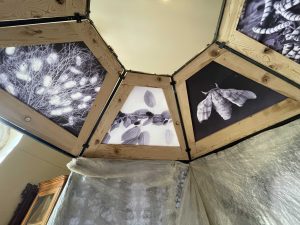
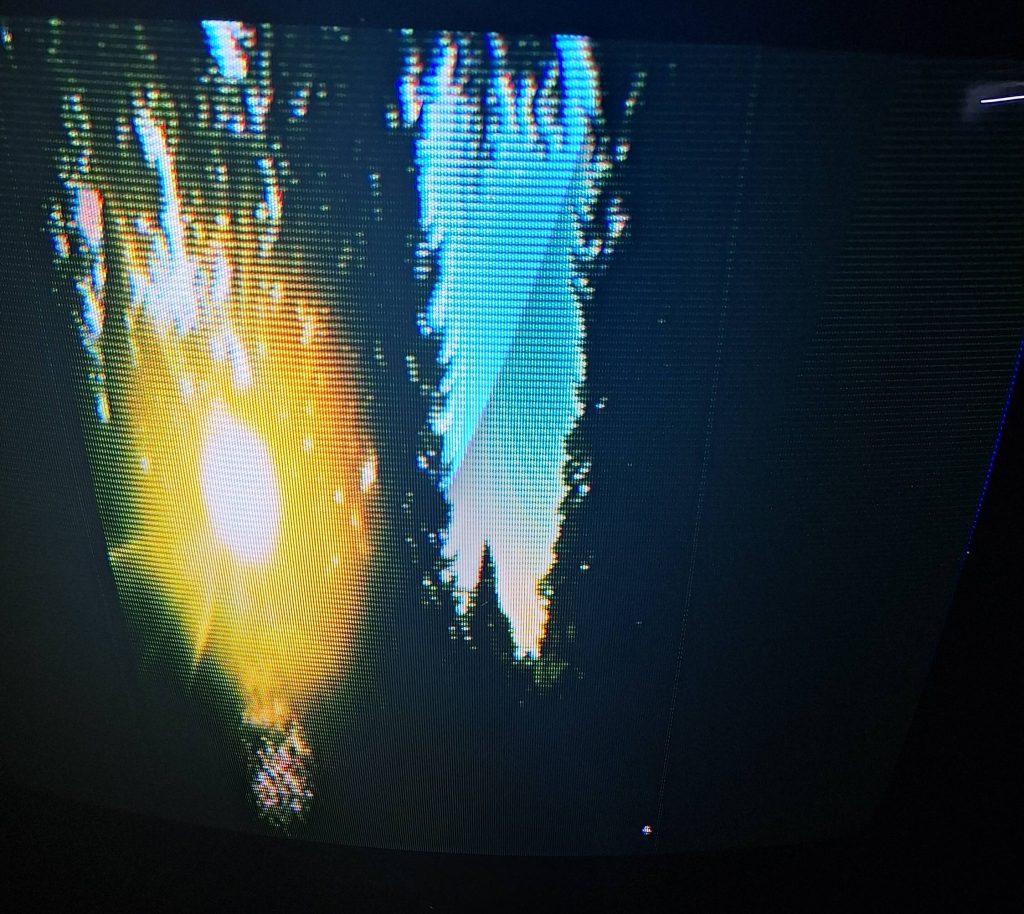
The same basement space also featured a photographic installation by Tata Sabashvili, presented on the screen of a vintage television set. The work explored themes of memory, perception, and personal relationships with the surrounding environment. The images assembled seemingly insignificant details of everyday experience, encouraging visitors to activate their own memories and associations. One of the work’s central motifs was the shifting of scale and perspective – the possibility of seeing the world through the eyes of a small creature, where nature, colour, and matter acquire entirely different meanings. Within this framework, colour emerged as a carrier of emotion, memory, and individual experience.
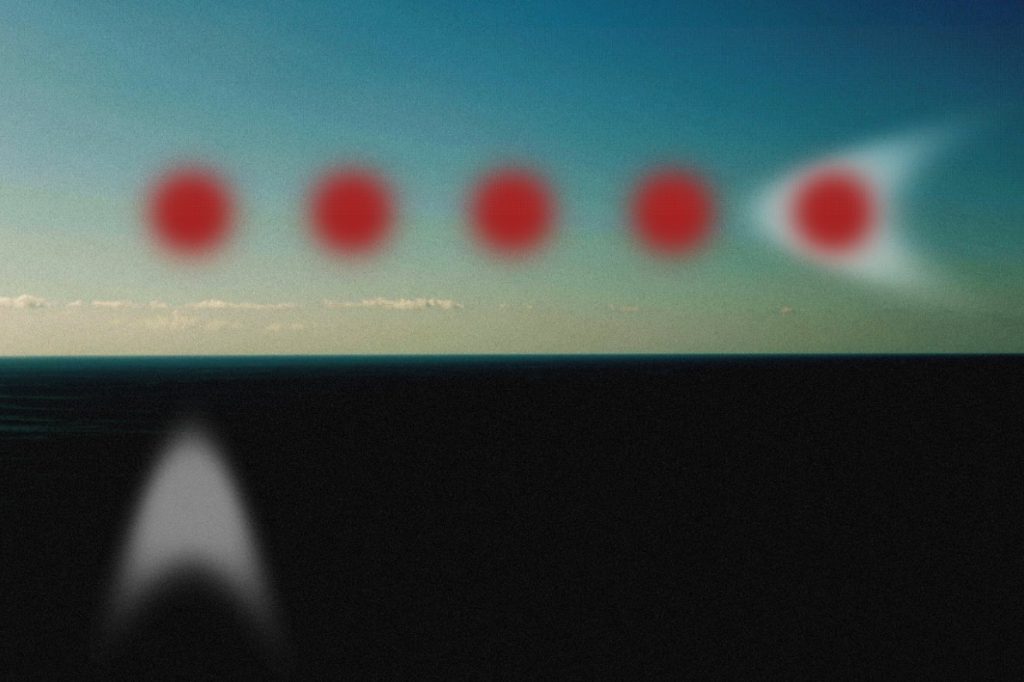
A different approach to colour was offered through the audiovisual installation Distant Color by Himiko, with sound composition by Keto Kanchaveli. The installation constructed a world of fragmented memories and lost connections, where sound, light, and image merged into an emotional hologram.
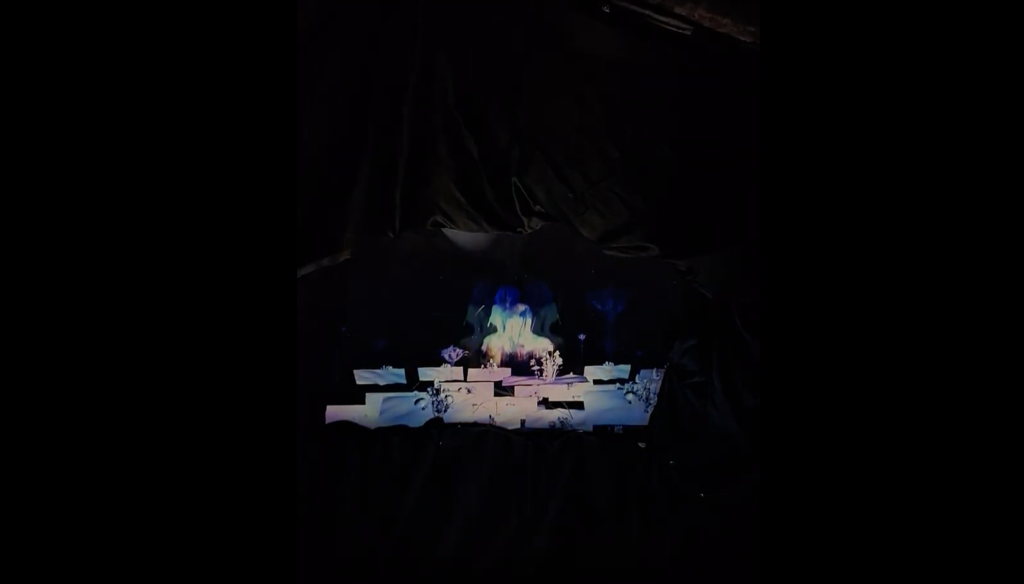
The work was grounded in the idea of releasing fragmented and faded traces of the past. Benevolent spirits appeared as metaphors of hope—figures that continue to guide us even when the path ahead is uncertain. Distant Color reflected on the possibility of hope existing in distance and emptiness, even when the rainbow survives only as memory or myth.
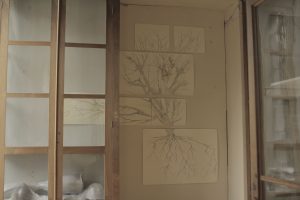
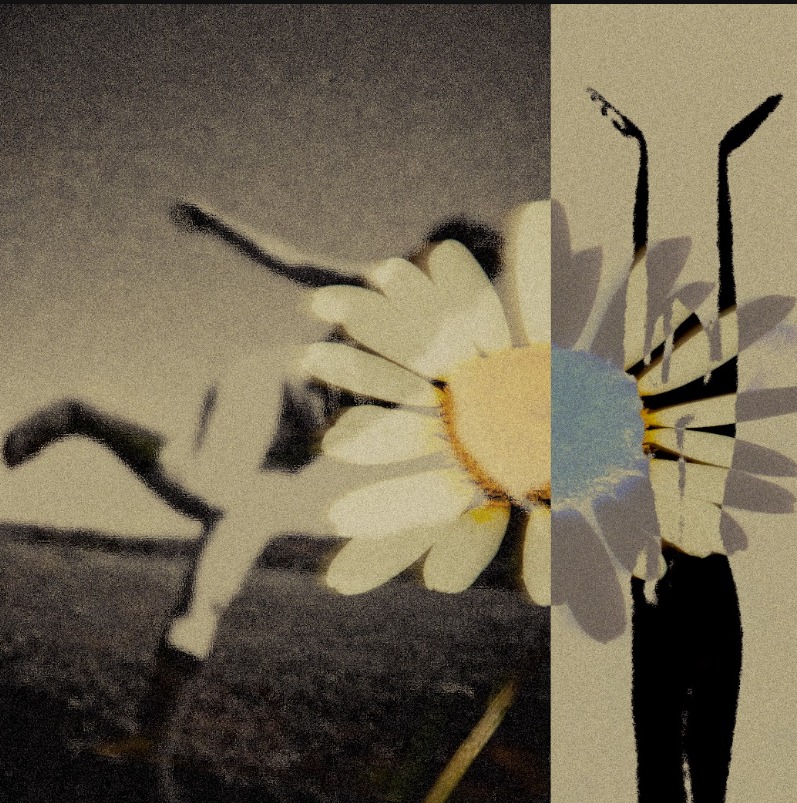
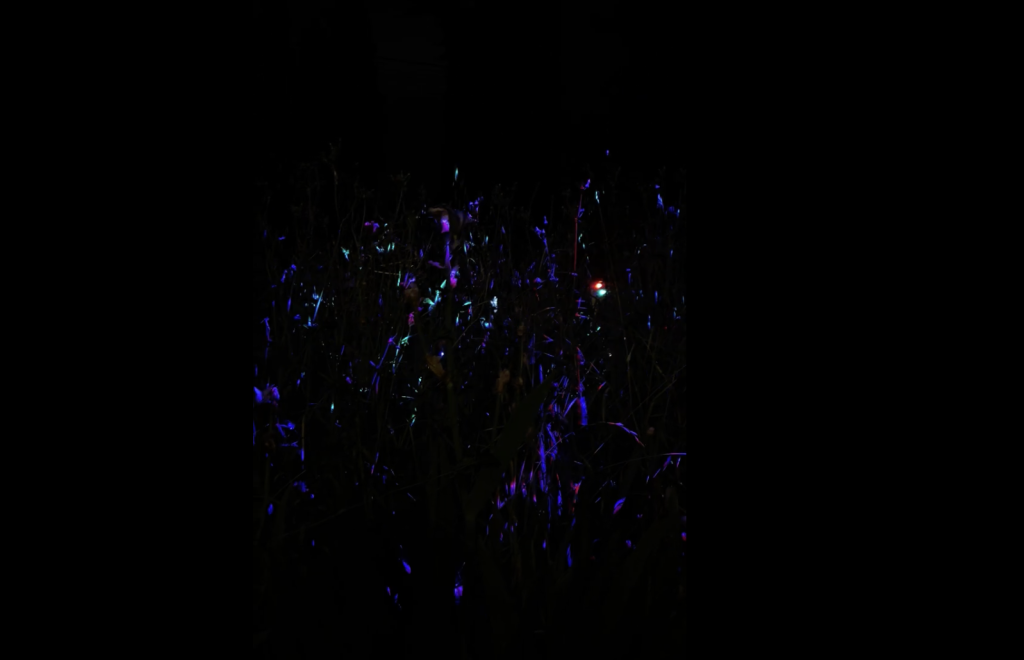
Questions of memory and perception continued in Mariam Gegidze’s visual installation They Choose How to Return. Through the life cycles of plants—birth, growth, flowering, decay, and regeneration—the work explored the cyclical nature of existence. Each ending suggested the possibility of a new beginning, as if nature itself were choosing the form of its return.
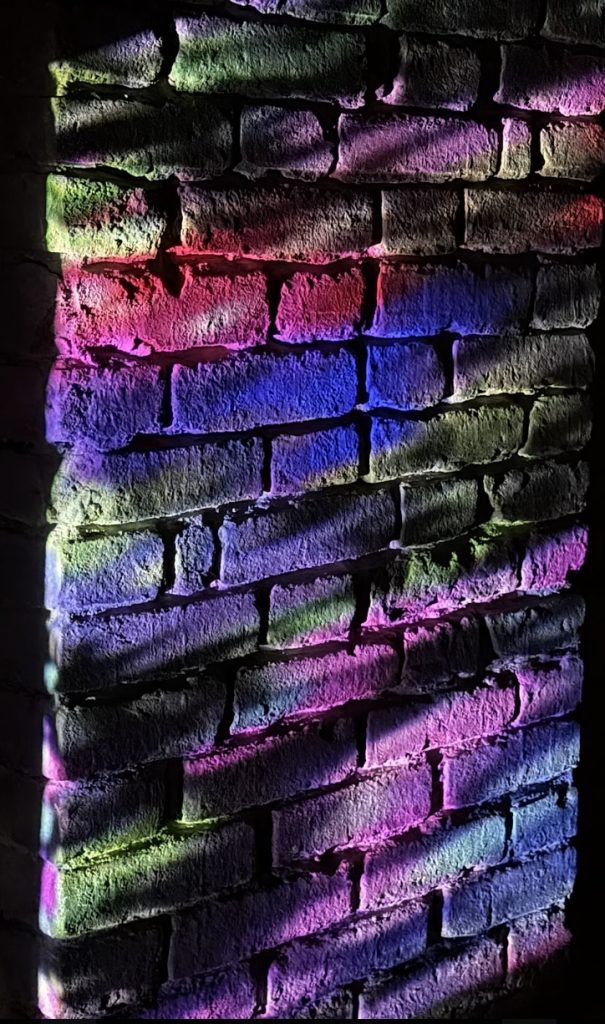
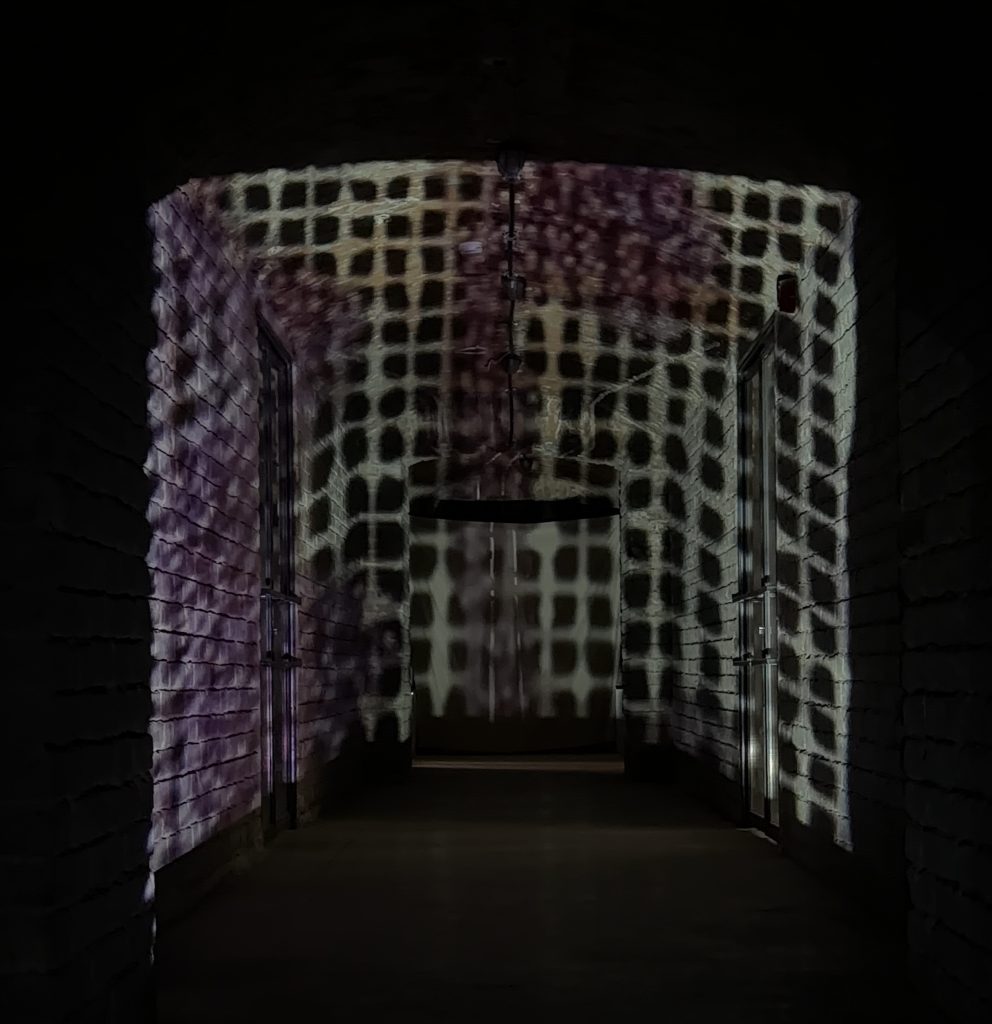
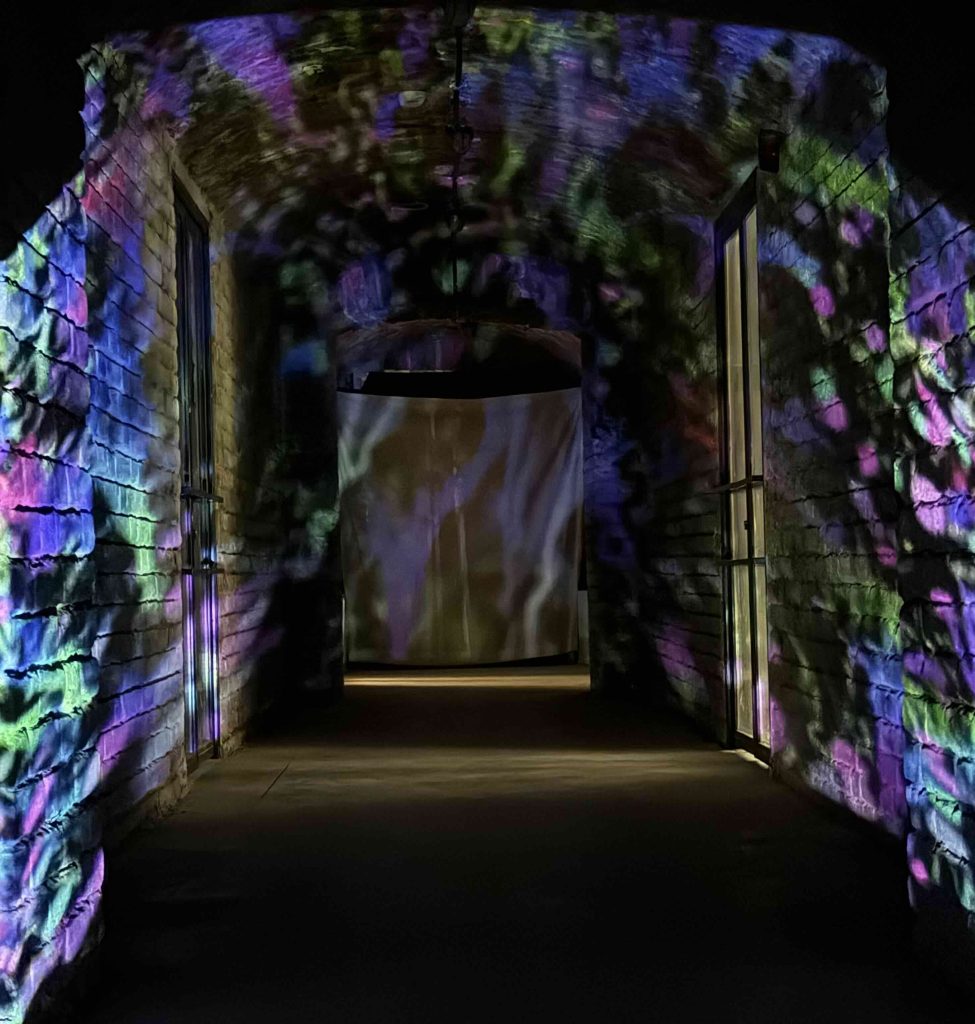
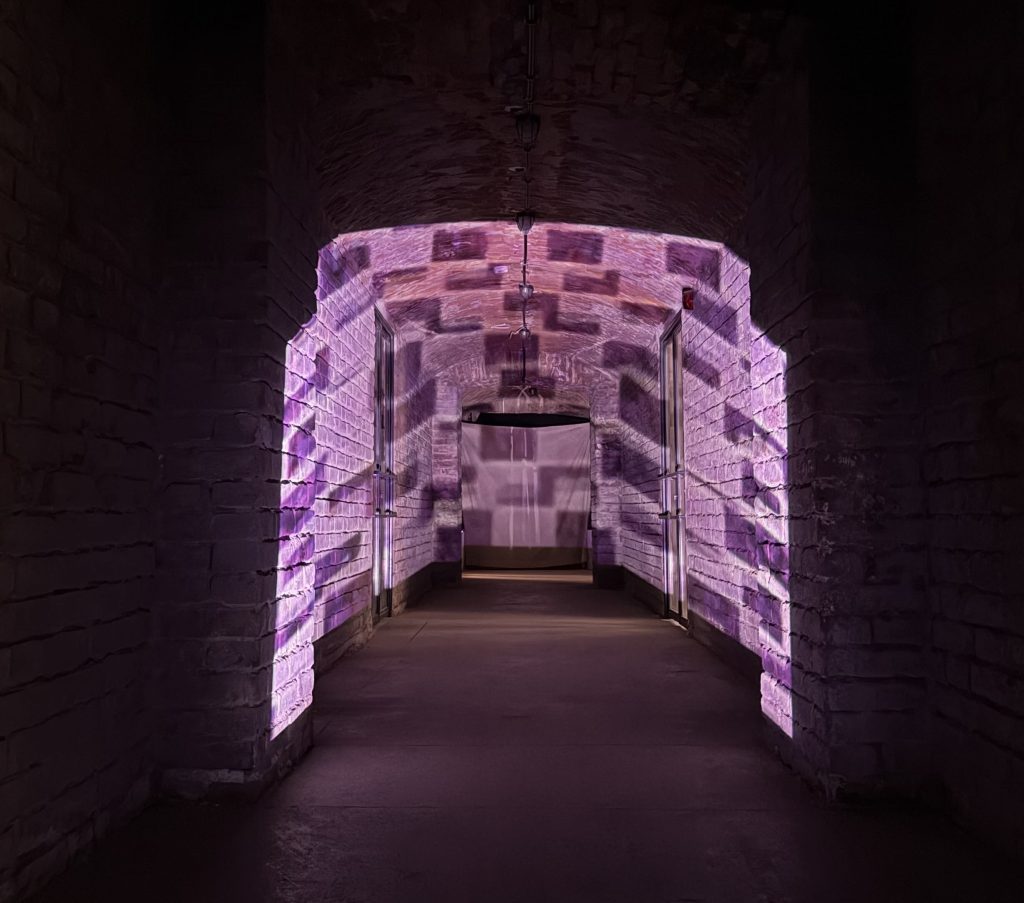
Installed within the basement corridor, the work created a contemplative environment where nature, memory, and transformation entered into visual dialogue. Plants became metaphors for existence itself—fragile yet perpetually capable of renewal. The installation invited reflection on change, mortality, and the invisible links between endings and beginnings.
Themes of memory and perception reappeared in Tata Managadze’s experimental documentary animation Lights, Haze. Through observations of locations on the outskirts of Tbilisi, the film examined the constantly shifting nature of memory. Light functioned simultaneously as a carrier of recollection, a bridge between different temporal layers, and a symbol of emotional experience.
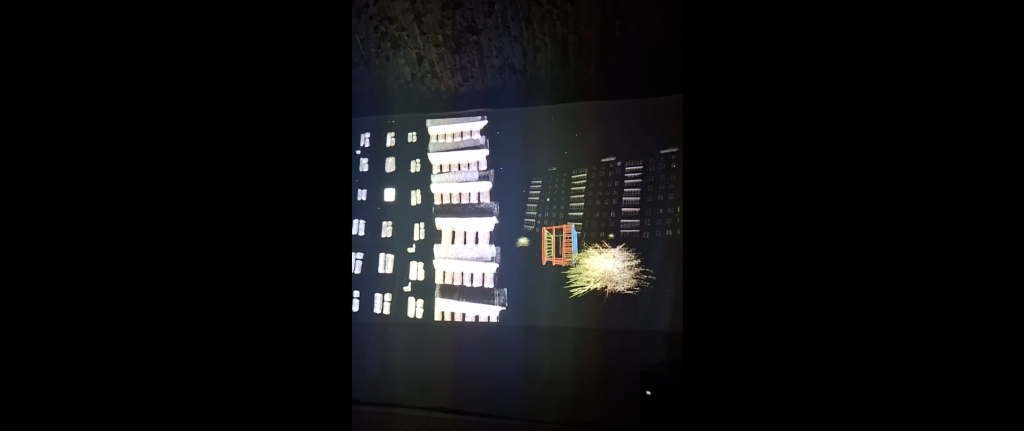
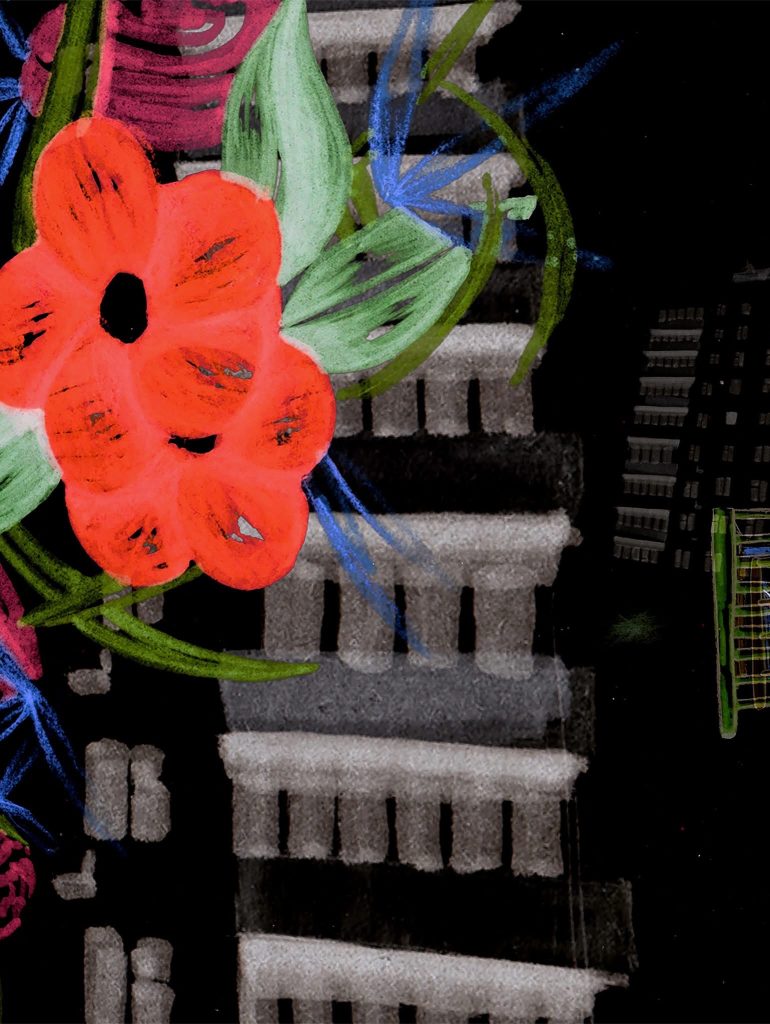
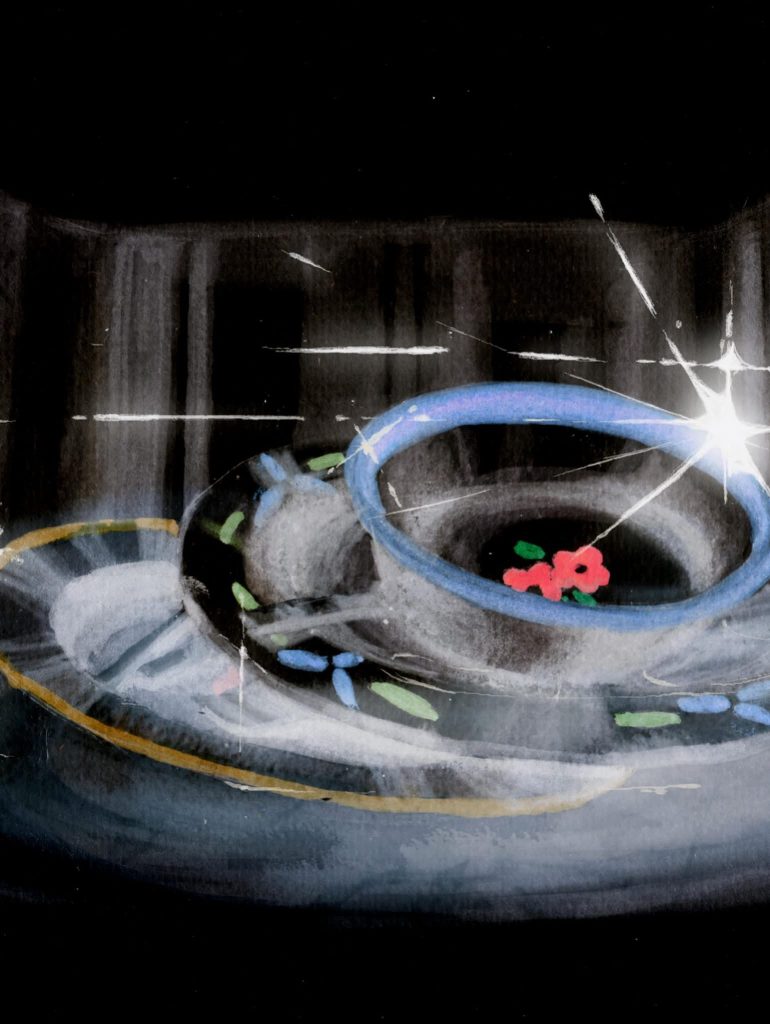
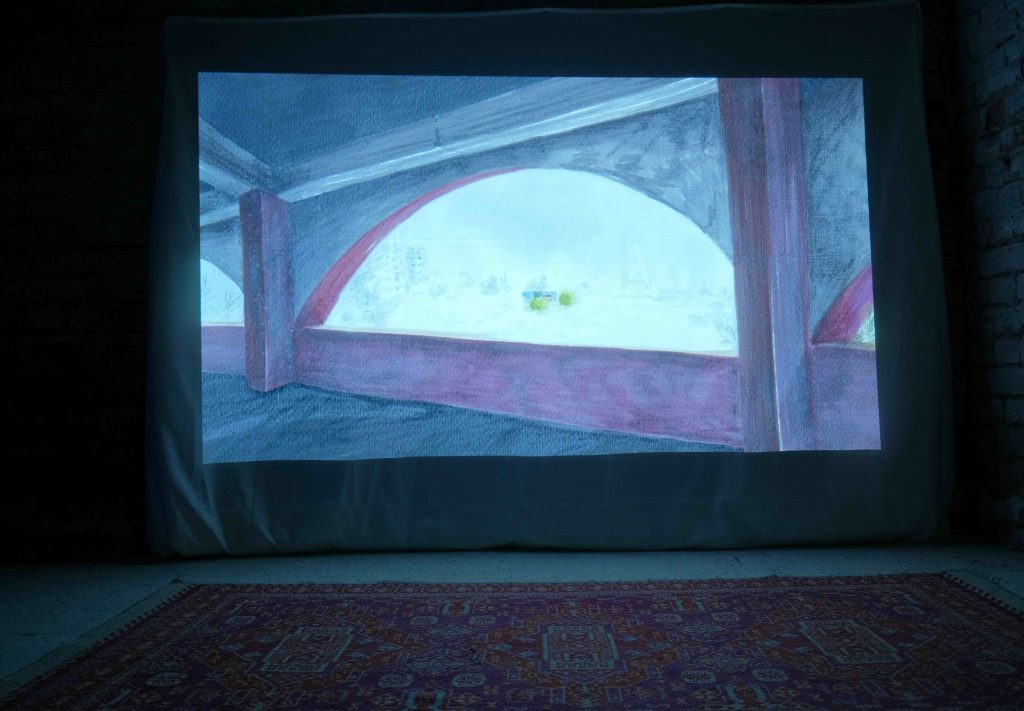
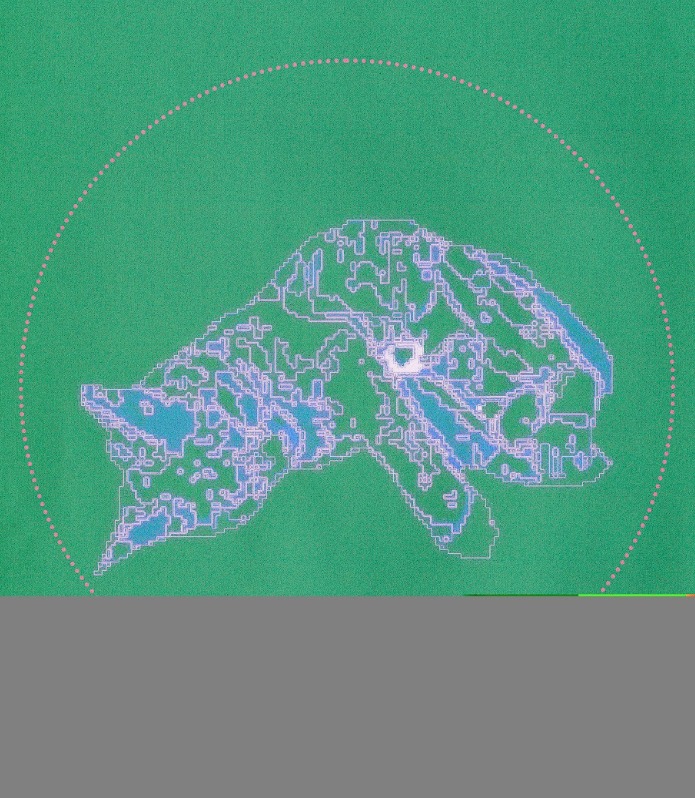
Within the animation, utopian and symbolic playgrounds were connected by sharp lines of light, as though fragments of memory were discovering their own pathways. Combining digital imagery, hand-drawn elements, and cyanotype prints, the work emphasized both the subjective nature of memory and the author’s personal perspective. The result was a space where documentary observation and imagination, reality and emotion, became inseparable.
One of the most conceptually layered projects of the evening was the immersive installation Connections for a Future Language by Ablabuda, presented across two interconnected basement spaces. The installation explored relationships between generations, between physical and digital environments, and between cultural memory and emerging technological realities.
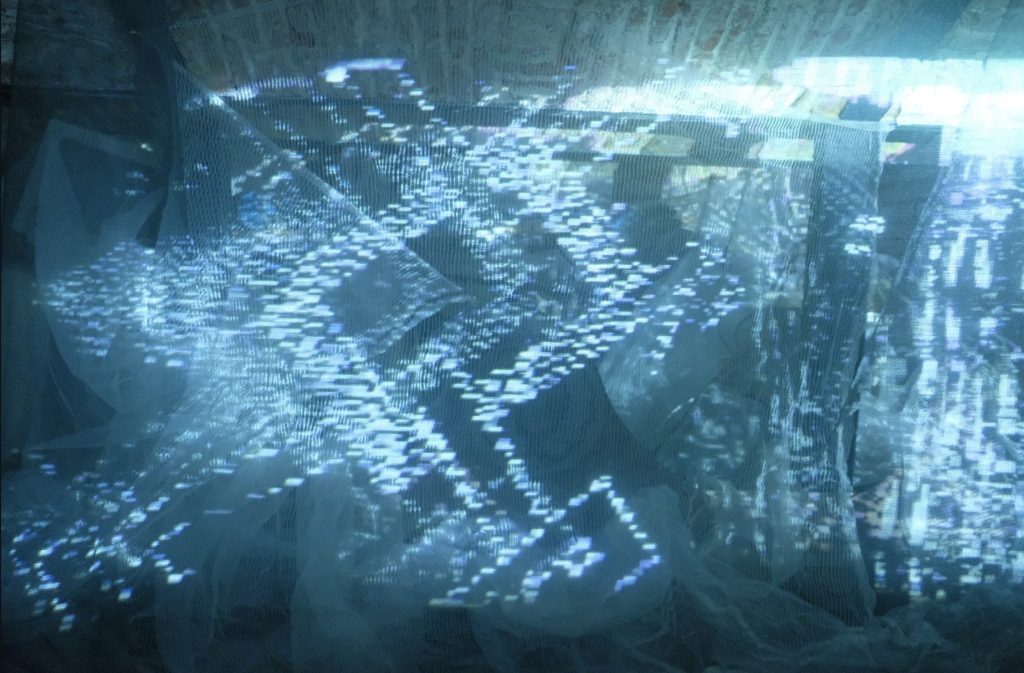
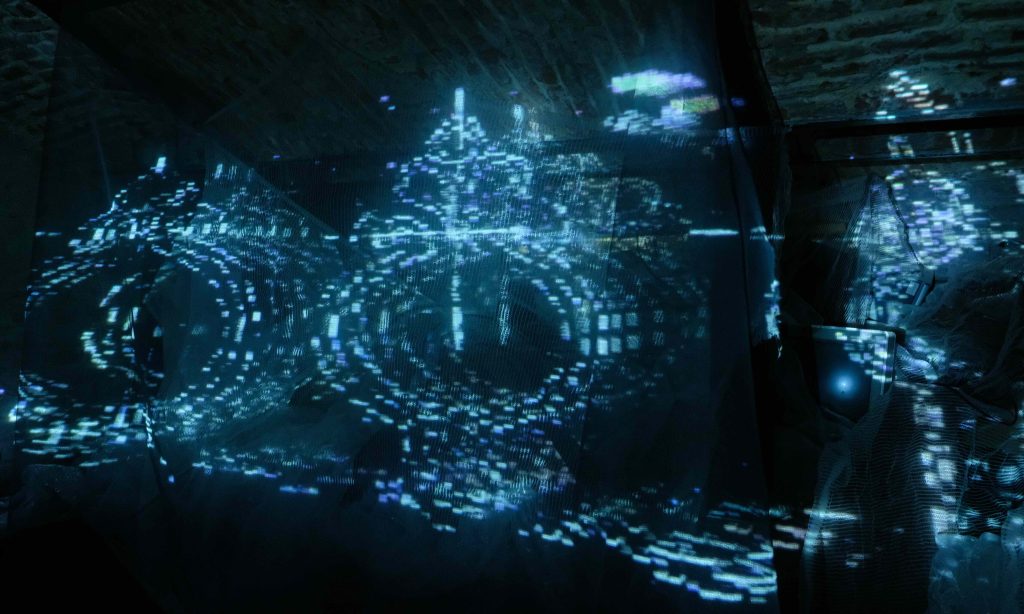
Within a storage niche of the museum’s cellar, traditional Georgian ornaments created by Irakli Margishvili were animated through holographic projections displayed across old machinery and typewriters. A visual language inherited from the past acquired new vitality through its encounter with contemporary technologies.
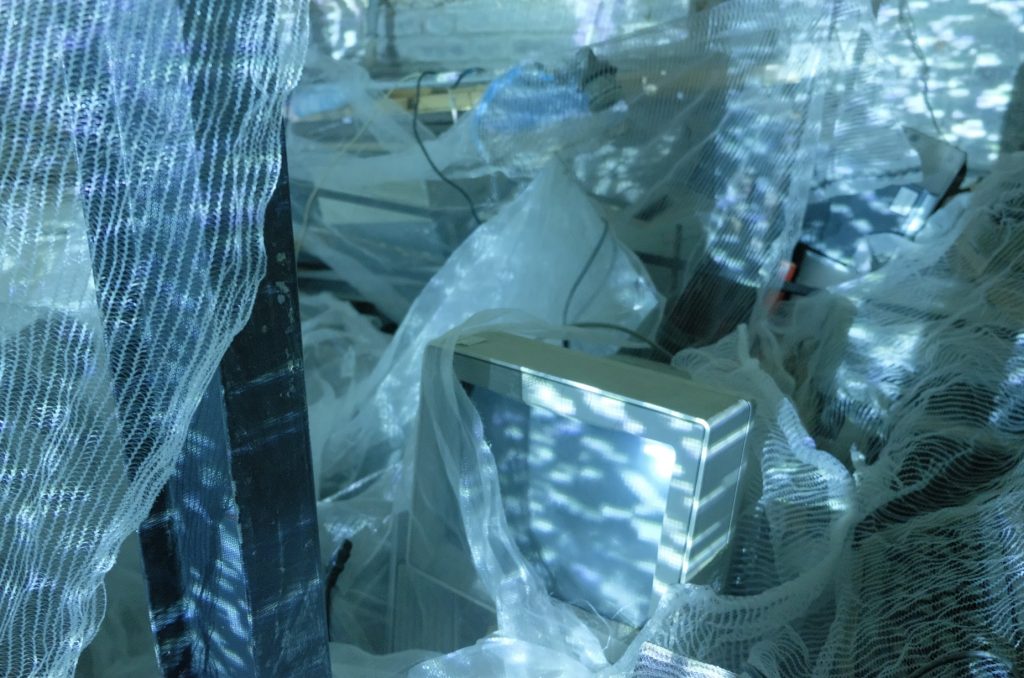
A second space introduced visitors to both Ablabuda’s artistic practice and Abjari, a cyber-security symbol derived from the obsolete Georgian letter ჵ (hoe), removed from the alphabet in the nineteenth century. Three-dimensional objects, cyanotypes, and accompanying visual materials further developed the dialogue between tradition and technology.
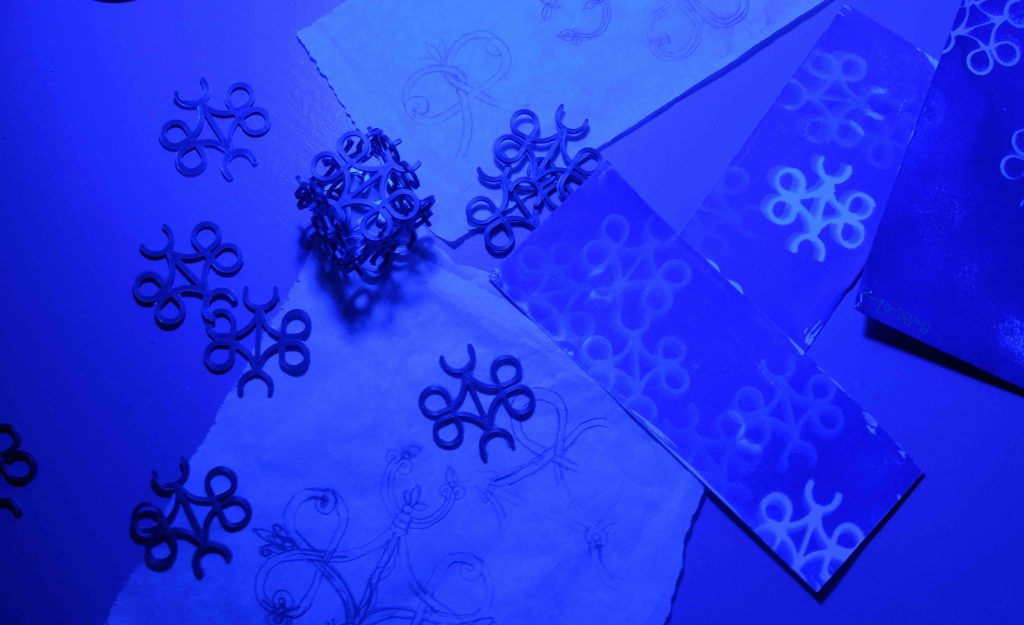
The installation also possessed a distinctly personal dimension. Among the exhibited objects was a three-legged stool created by Giorgi Margishvili, whose legs were crafted from grapevine wood originating from vines planted by the artist’s great-grandfather in 1955. Through this gesture, the work extended its exploration of memory beyond technological and cultural histories to include familial inheritance and continuity.
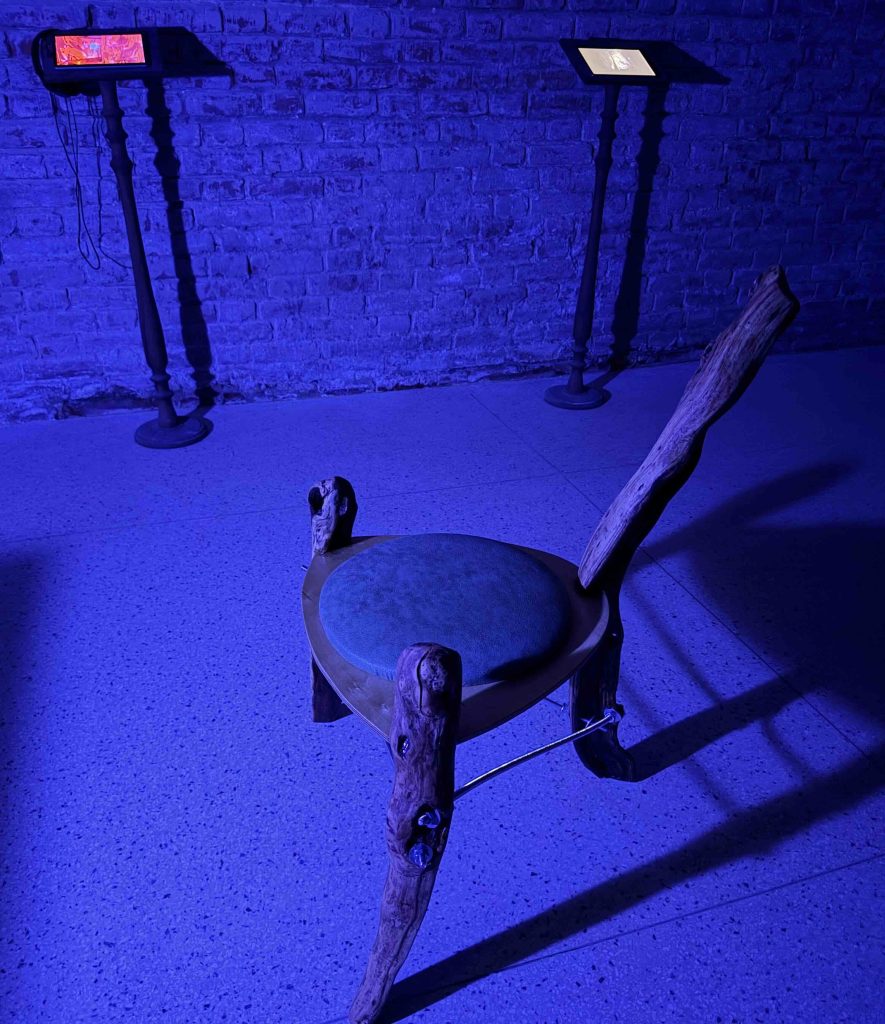
The installation was interactive. By pressing an inverted “delete” key positioned on a terminal, visitors could alter the movement of projected ornaments and actively influence the visual environment. In this way, the audience became participants in the work’s ongoing transformation.
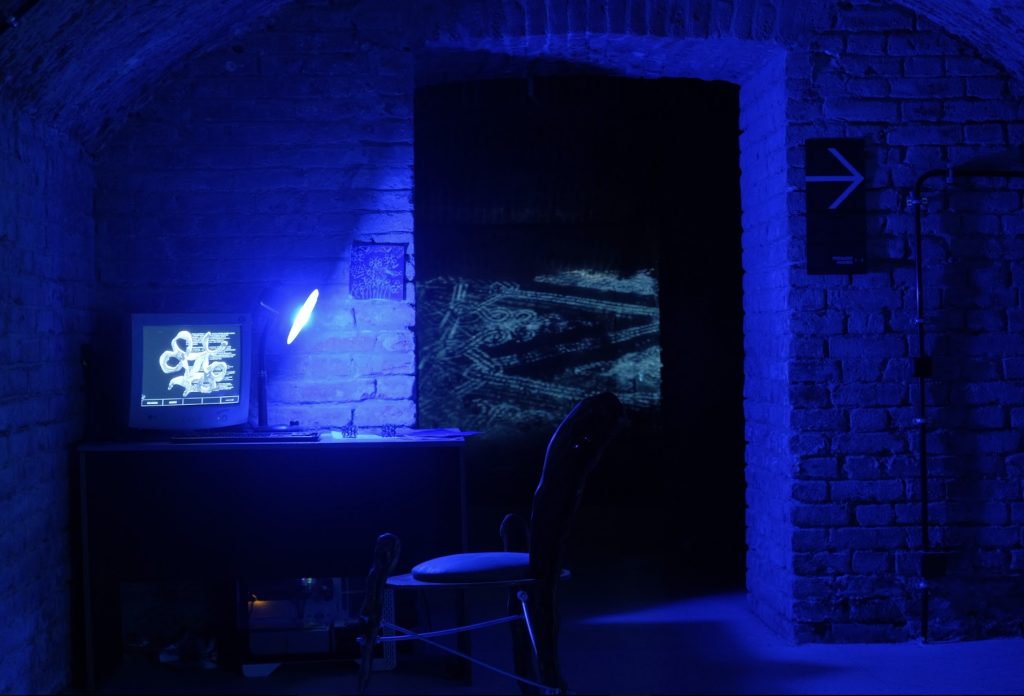
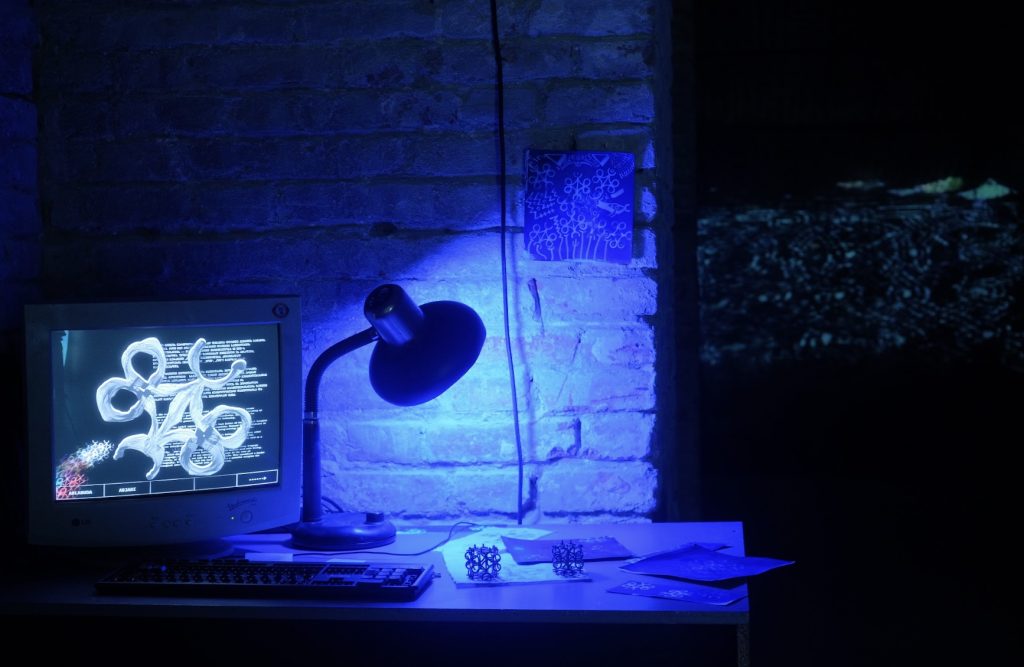
The installation also incorporated documentary material from Ablabuda’s previous projects-Chrysalis, figment.78, and landi.026. Throughout the space, a soundscape derived from Lights/Haze, co-created by Irakli Margishvili, connected the various elements of the installation and immersed visitors within a unified sensory environment.
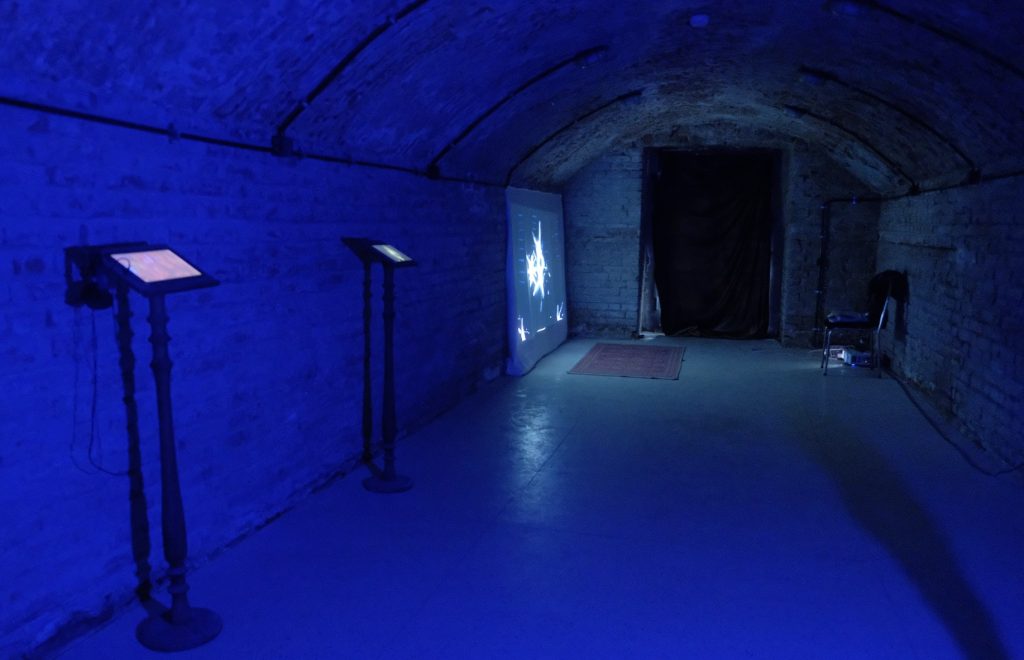
Museum Night once again demonstrated the museum’s capacity to function as a dynamic participant in contemporary cultural processes. The projects brought together questions of memory, identity, nature, technology, heritage, and futurity within a multimedia dialogue. Through installations, projections, animation, and audiovisual environments, the museum’s historic architecture acquired new meanings, encouraging visitors to experience a familiar space from entirely new perspectives.
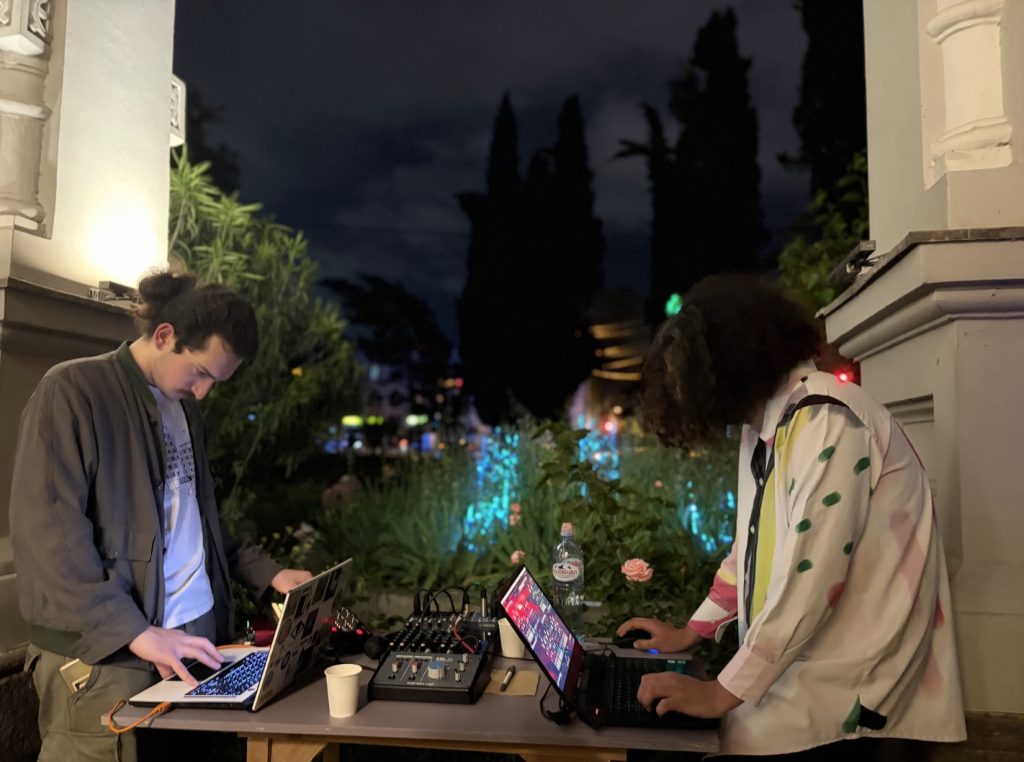
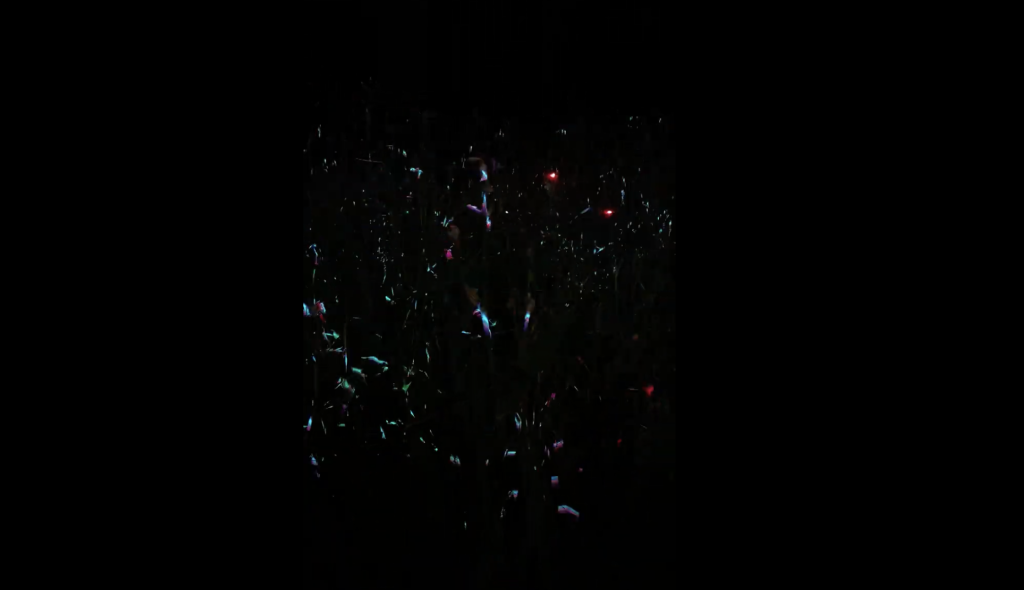
https://drive.google.com/file/d/10V3jD6anjbei43n2XWkU8Aghsowye-uI/view?usp=drive_link
mobile documentation of live performance by Mariam Shergelashvili
The Museum Night programme and participating artists were selected on the initiative of exhibition curator Mariam Shergelashvili, in collaboration and co-curation with the invited multimedia artist Irakli Margishvili.