Chromatics: Plants, Humans and Nature
Since ancient times, the production of colour has been closely connected to nature and to the careful observation of plants. Before industrial manufacturing replaced natural dyes, the creation of colour relied on accumulated experience and a profound understanding of the environment. It was a form of knowledge rooted in practice, observation, and interdependence with the natural world. The exhibition Chromatics: Plants, Humans and Nature revisits these often-forgotten connections through research conducted on the State Silk Museum’s historical dye collection.
The exhibition originates from Valeri Petrov’s project Illustrations of the Flora of the Caucasus. A museum staff member, biologist, entomologist, and nature enthusiast, Valeri combines scientific precision with artistic sensitivity in a series of meticulously rendered watercolour illustrations.
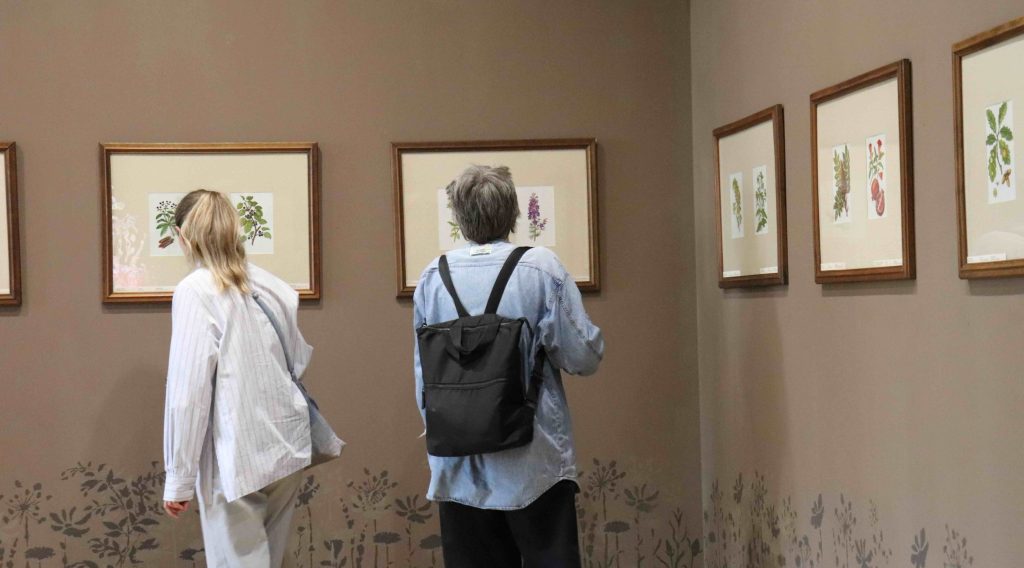
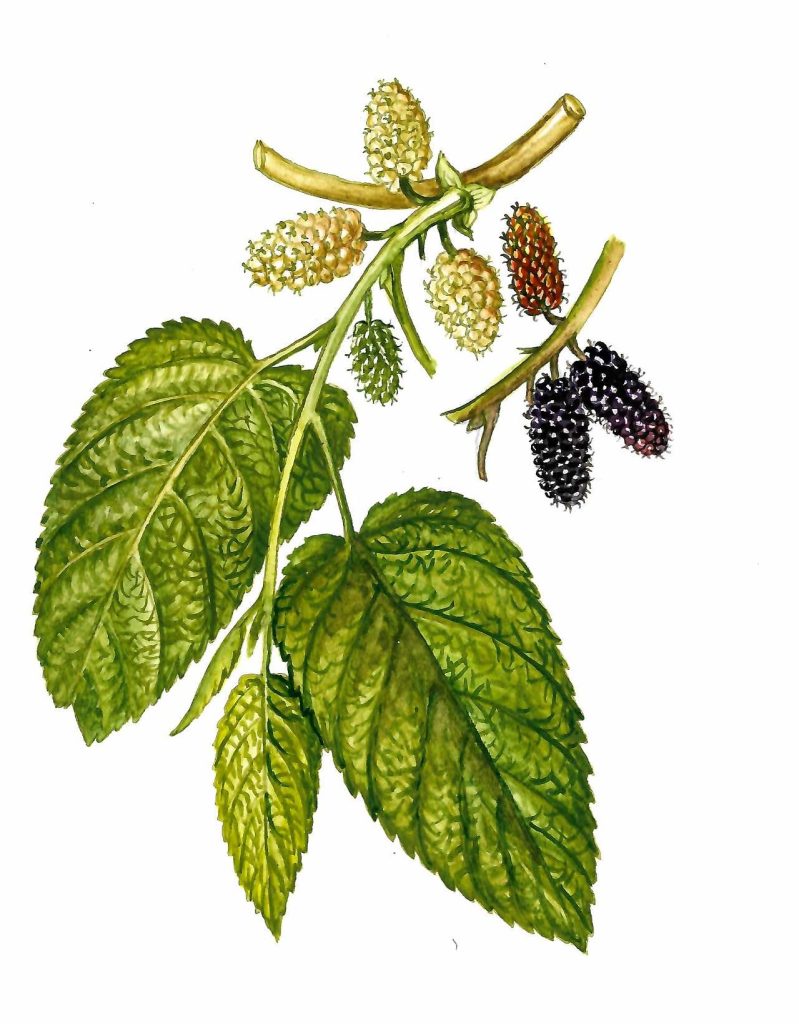
The exhibition presents twenty-six dye plants of Caucasian and tropical origin. Among them, madder occupies a particularly prominent place. While commonly associated today with the red colour of Easter eggs, its history extends far beyond this tradition and is deeply intertwined with centuries of textile dyeing practices. Plants such as gall oak, pomegranate, sumac, and mulberry remind us that colour was historically derived from resources embedded within everyday environments. Roots, bark, leaves, and fruits each possessed distinct dyeing properties capable of producing remarkably varied chromatic results.
01 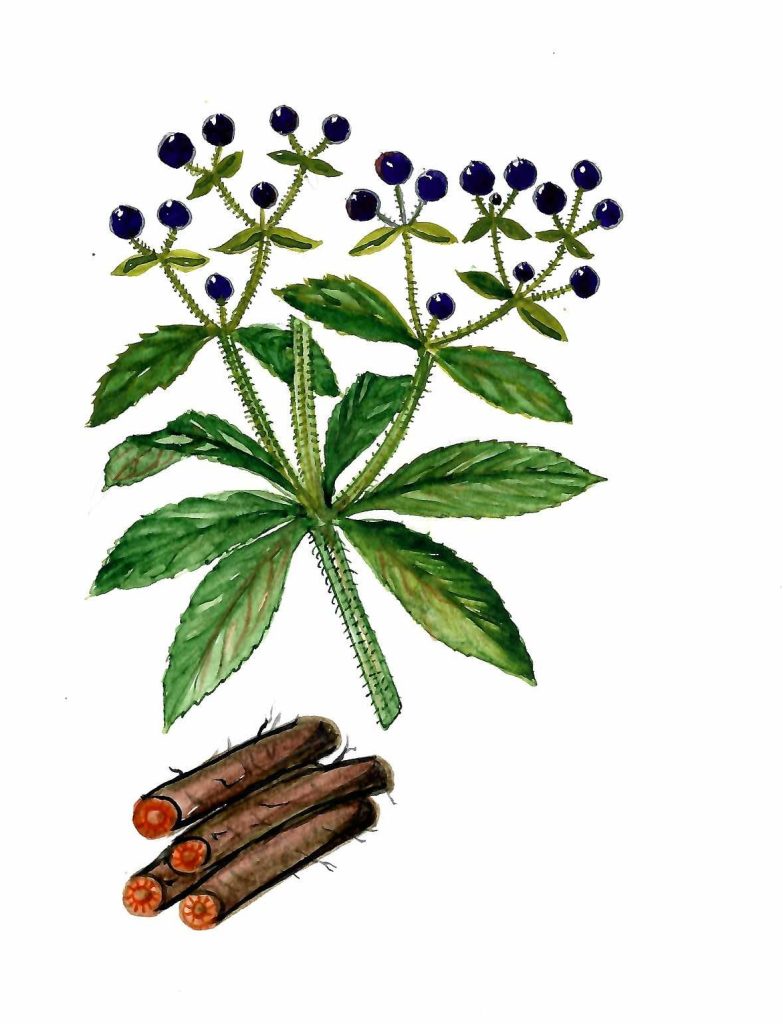
02 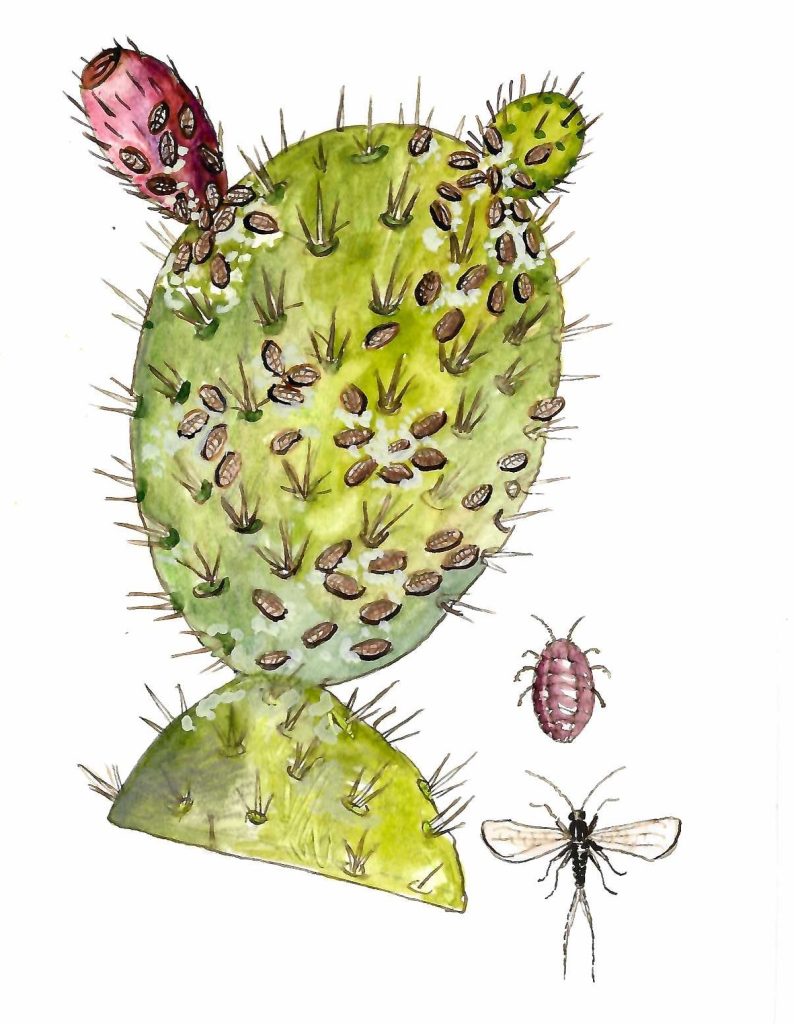
03
One of the exhibition’s most compelling aspects is its attention to plants originating beyond the Caucasus. Indigo, turmeric, sandalwood, brazilwood, and other species testify to the fact that the history of colour is also a history of cultural exchange, trade networks, and global connections. Indigo, now most commonly associated with the blue of denim, was once among the most valuable natural dyes in the world. Turmeric, familiar today as a culinary ingredient, has likewise played an important role in traditional dyeing practices for centuries.
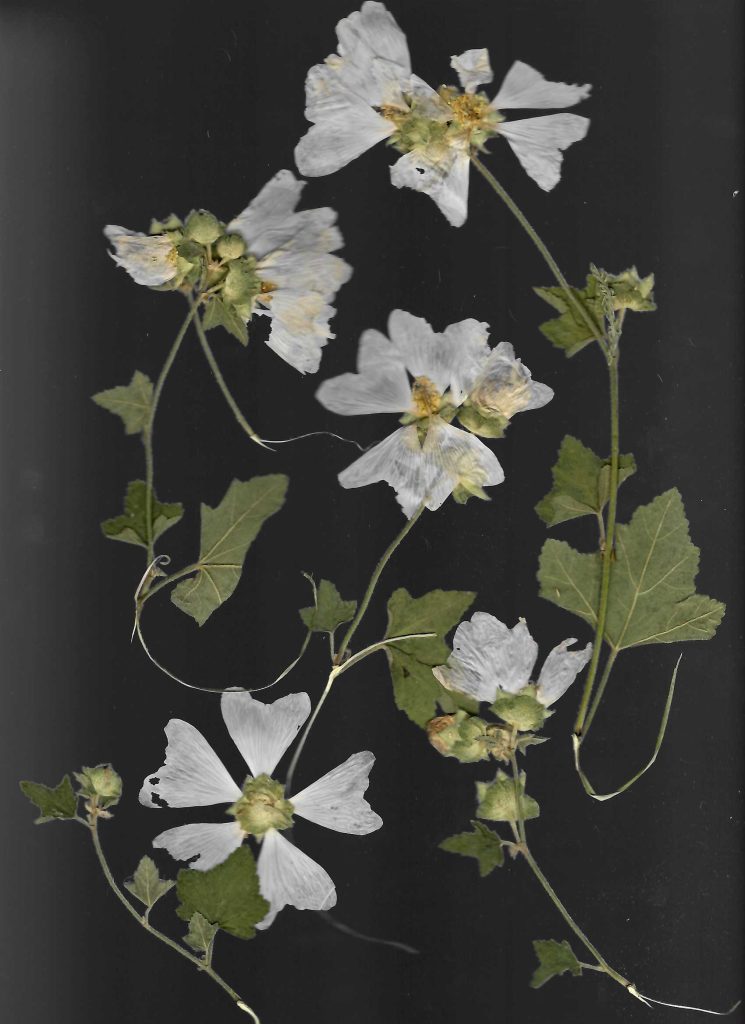
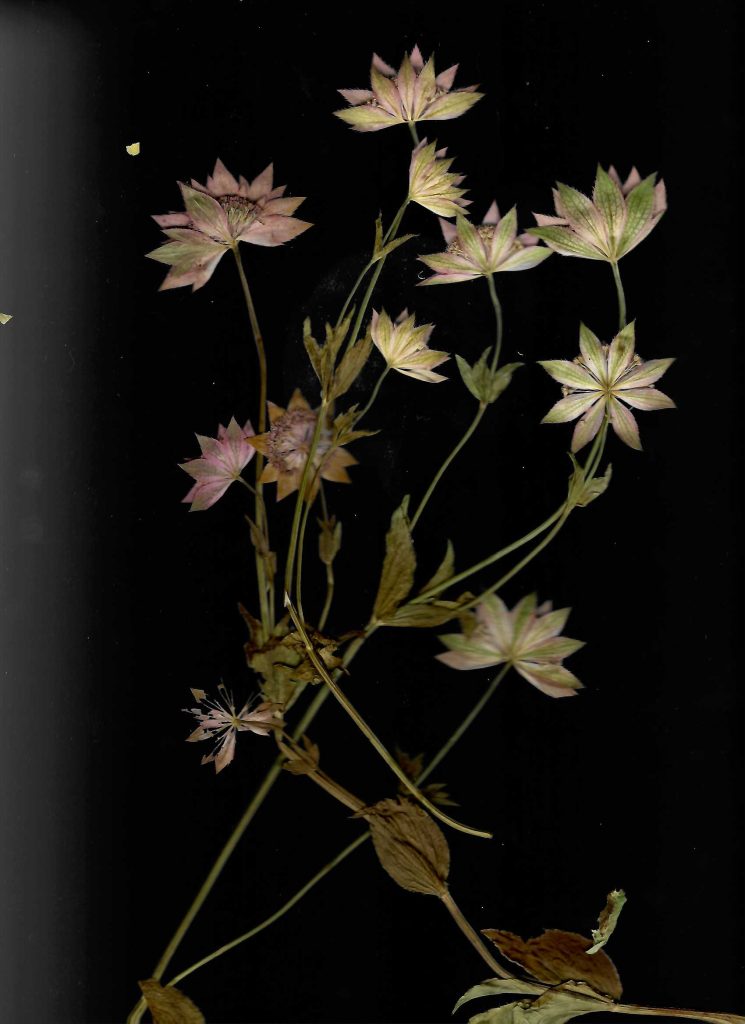
Particular attention is drawn to the exhibition’s herbarium, where plants appear in their preserved physical form. Rose hips, tea, madder, boxwood, and onion skins reveal how closely dye production was connected to everyday life and how much specialised knowledge was required to achieve what might seem a simple colour.
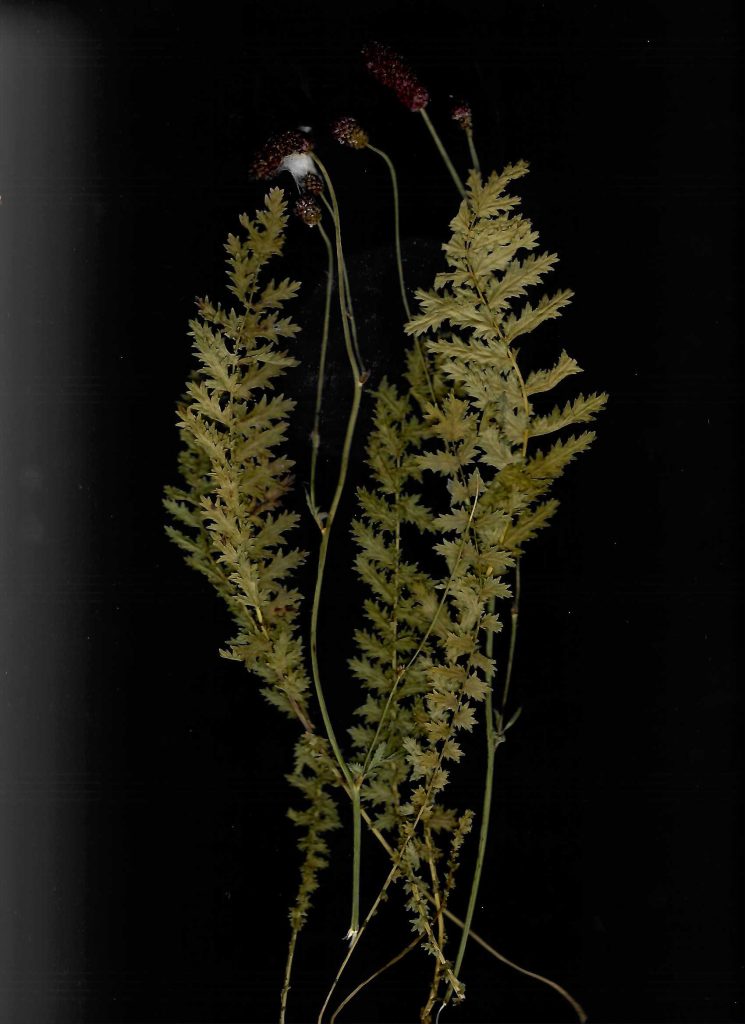
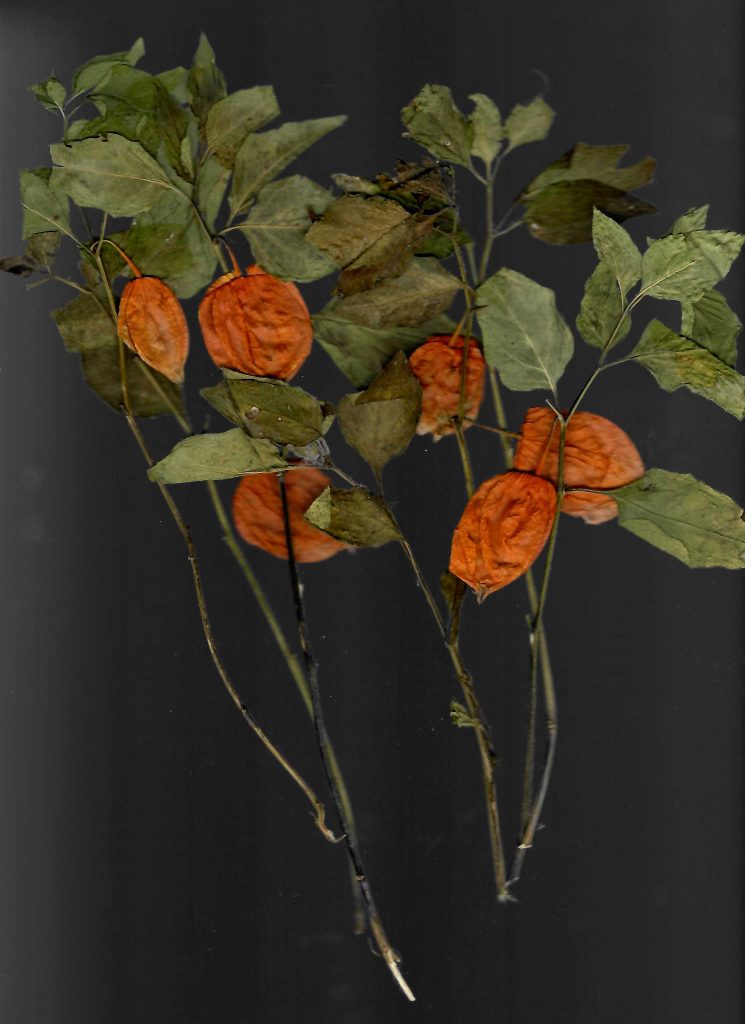
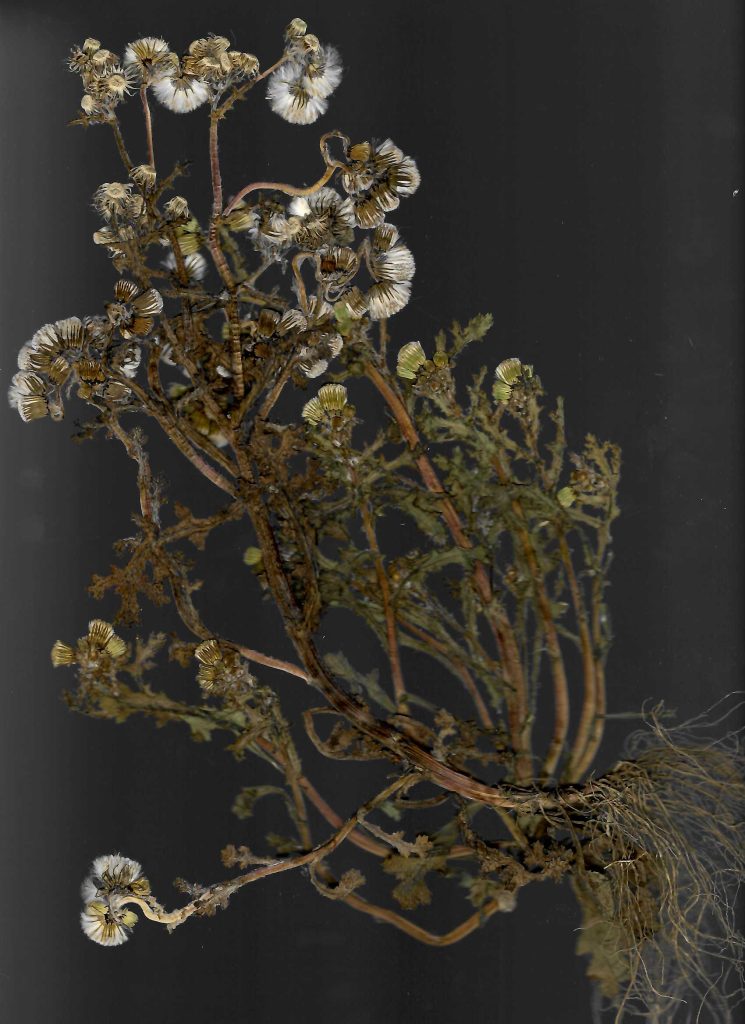
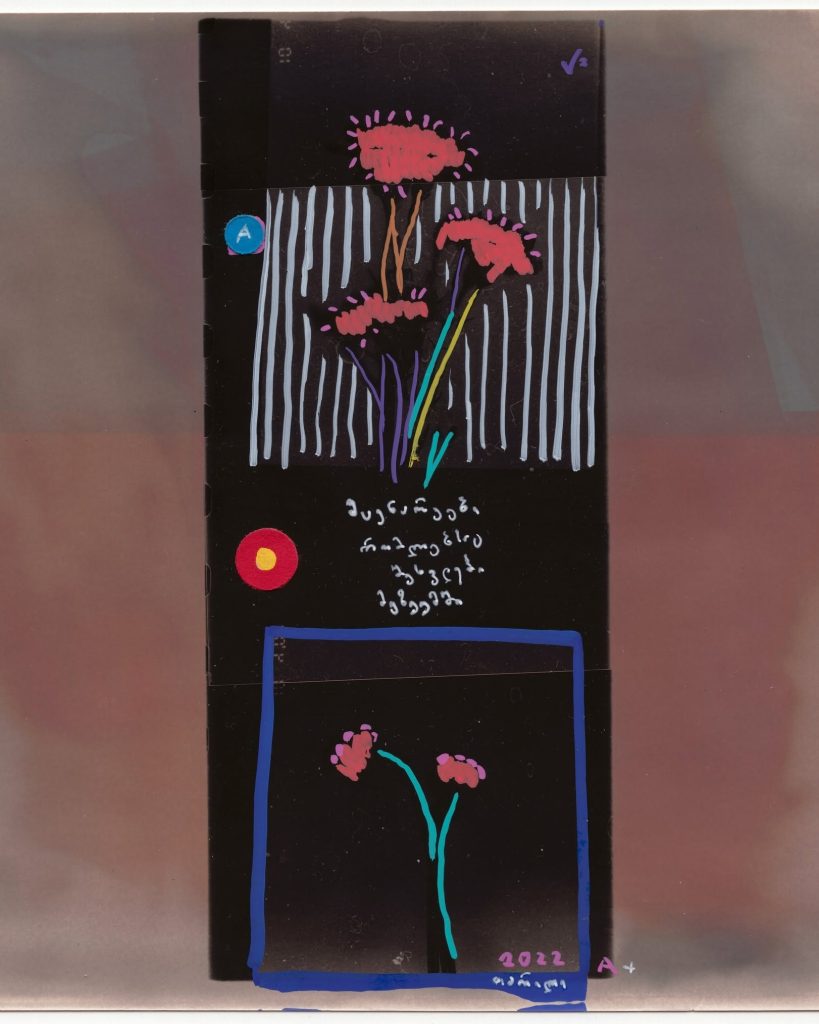
Yet the exhibition does not focus solely on historical practices. Its concluding section is dedicated to contemporary artistic interpretations. Experimental works by Nato Bagrationi and Giorgi Shengelia’s photo series approach nature from a more subjective and poetic perspective. Here, plants cease to function merely as resources or objects of scientific study; they become sources of inspiration, points of departure for visual reflection, and active participants in contemporary cultural imagination.
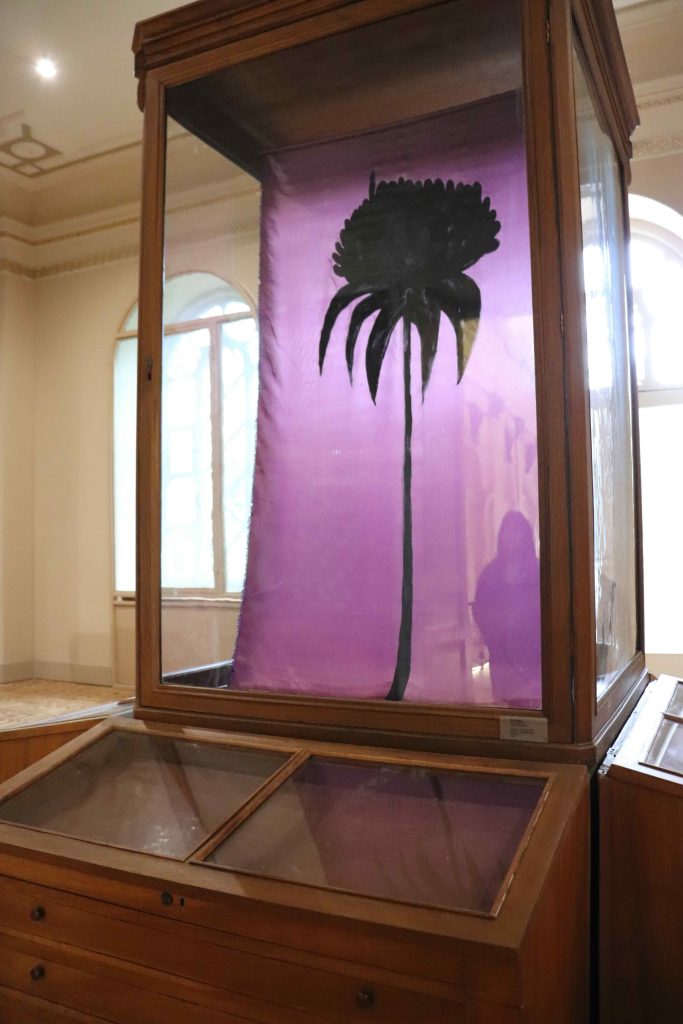
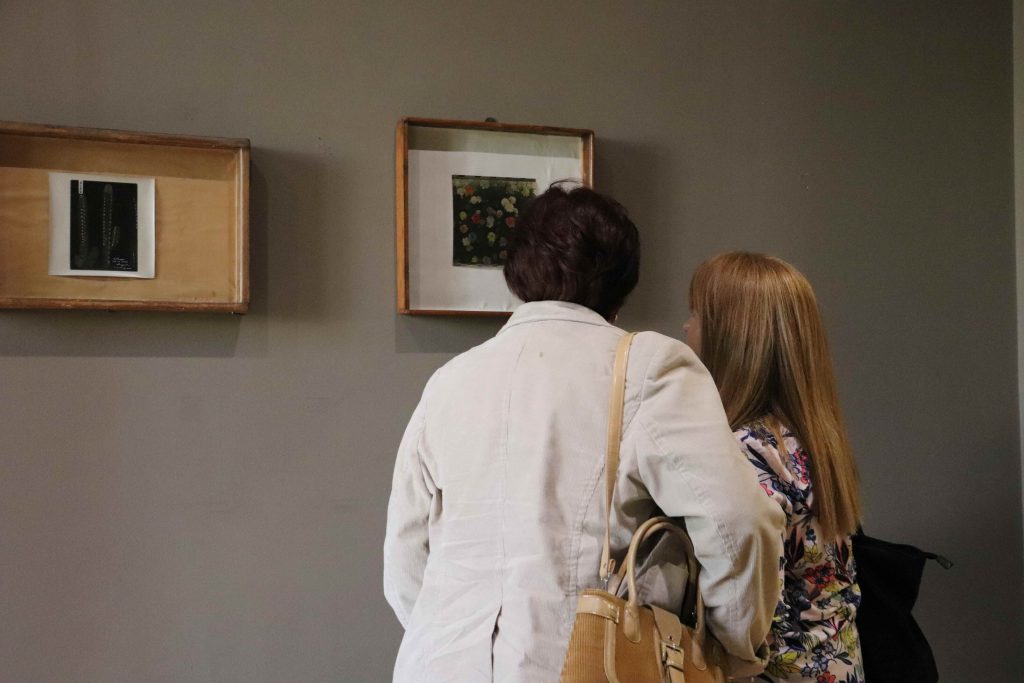
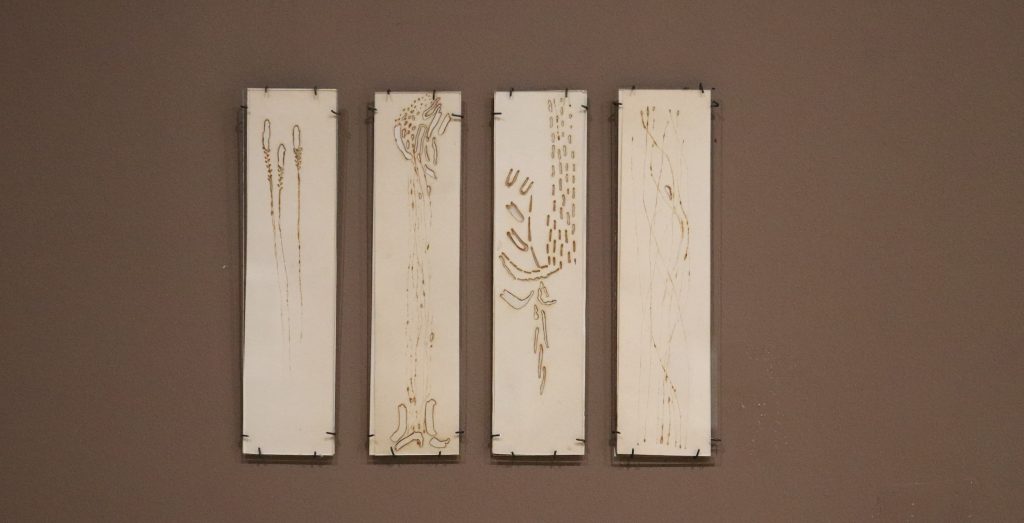
In this respect, the exhibition’s central theme is observation itself. Through attentive engagement with plants, visitors are invited to reconsider humanity’s relationship with nature and to reflect on the significance of this connection within contemporary life.