TEXERE – a temporary exhibition at the State Silk Museum – opened in a sketch-like format conceived as an open platform and welcomed visitors from 19 October to 27 December 2025. The exhibition title metaphorically articulated the relationship between text and textile.
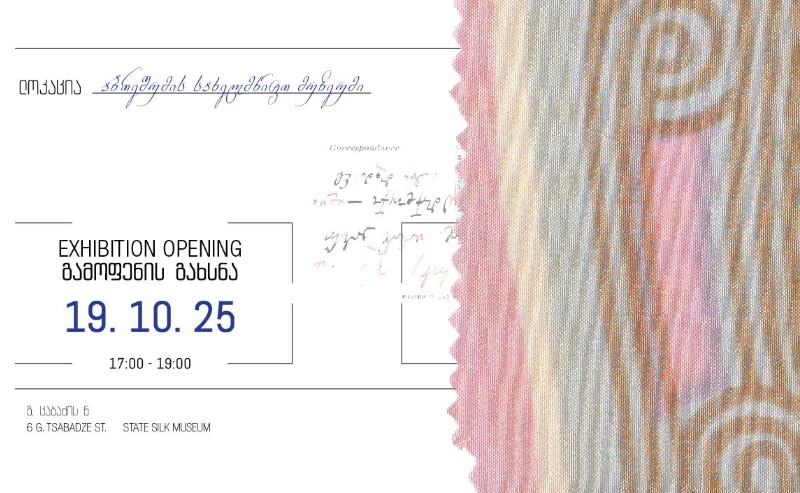
The central part of the exhibition presented samples of Soviet-era industrial textiles that had been stored in the museum attic for decades. These textiles, produced at the Tbilisi Silk Factory between the 1950s and 1990s, constitute archival material discovered during the pandemic. Research on this material was carried out with the support of the CEC ArtsLink residency program, Art Prospect Network, within the framework of the project “Outside the Cocoon: How to Present Art Publicly During the Pandemic?” Curators of that project were Nino Kuprava, Data Chigholashvili, and Mariam Shergelashvili.
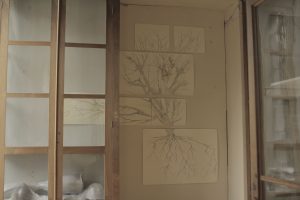
During the active research phase of 2020–2021, several notable initiatives were realized. These included artist Nino Kvrivishvili’s research on people working in the textile industry; Tamuna Chabashvili’s installation “I Demand the Voice”, addressing the relationship between archival material and authorship; interactive textile-based games developed by artists Naili Vakhania and Tamar Bochorishvili; a collaborative work made from textile waste by Sandro Sulaberidze and Ninutsa Shatberashvili; and Nino Zirakashvili’s textile artist book “Herbarium”.
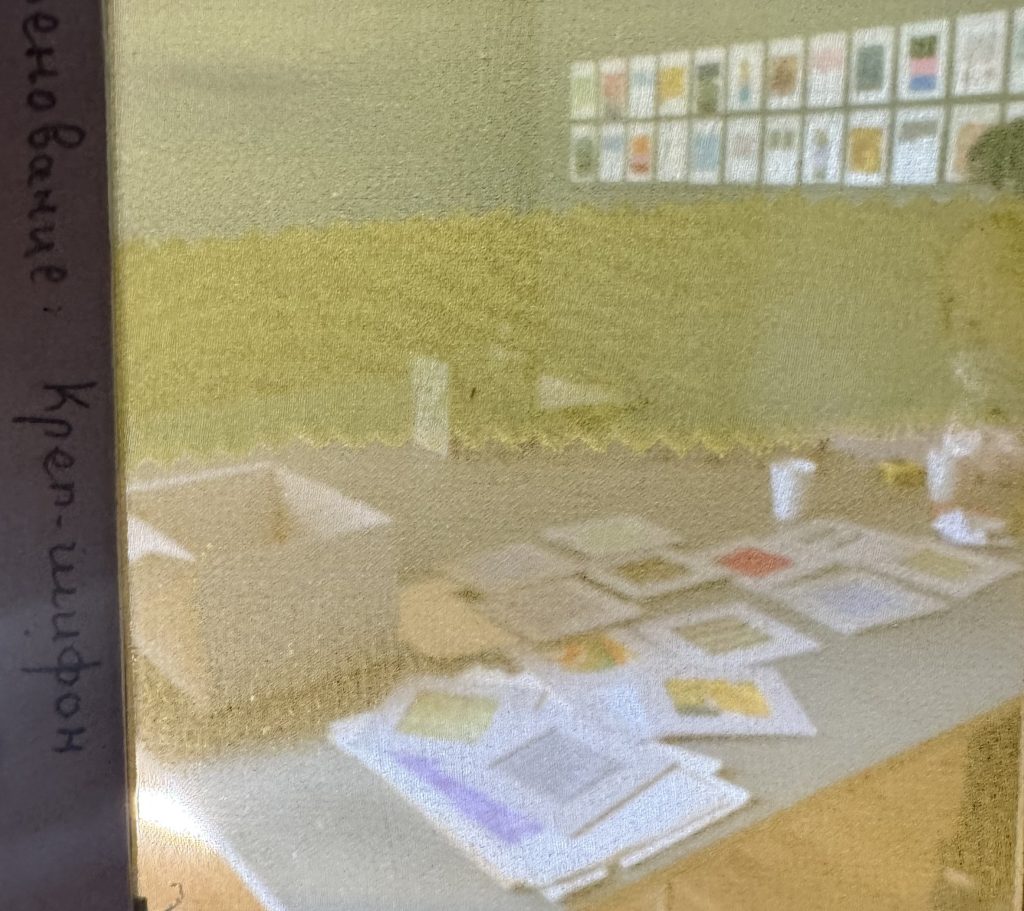
Photo: Ninutsa Lekishvili
Due to the isolating conditions imposed by the pandemic, these studies and artworks could not be presented in a long-term format. Shortly thereafter, the museum building entered a rehabilitation phase, and exhibition-based collaborations with contemporary artists were temporarily suspended. Nevertheless, research processes and project development continued uninterrupted within the museum.
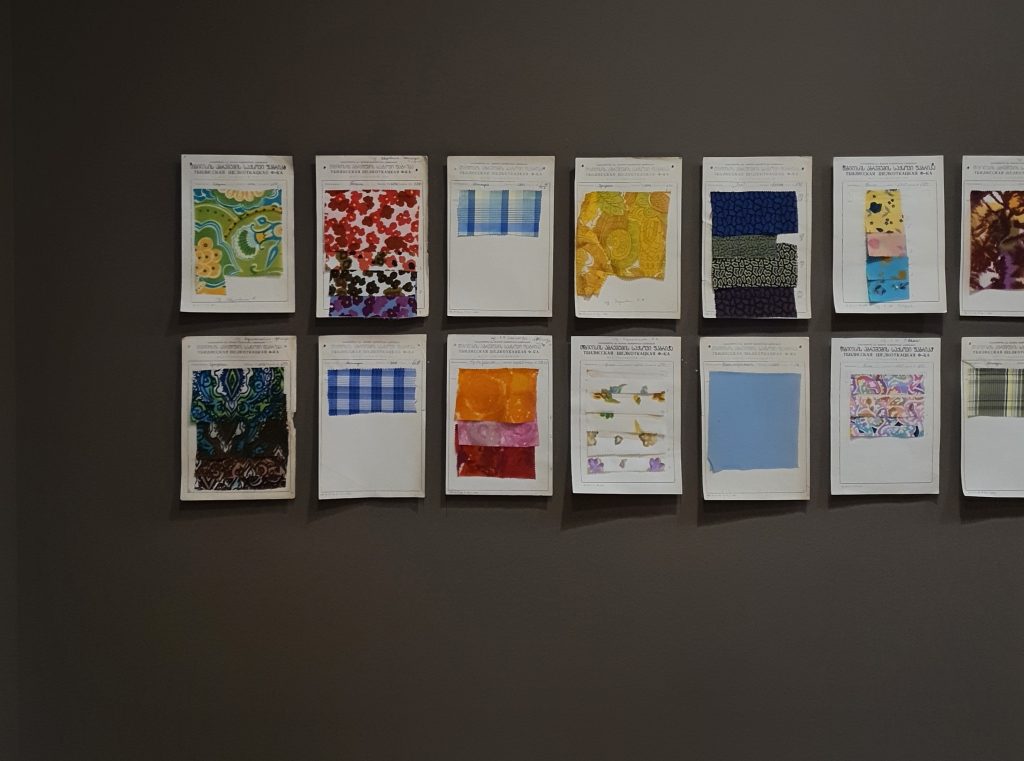
Photo: Ninutsa Lekishvili
Taking into account this accumulated work and renewed perspectives, in 2025 we decided to reintroduce the industrial textile collection within a new context, one in which text and textile could develop multilayered relationships and generate new creative impulses. Motivated by this approach, TEXERE gradually transformed over three months into a research-driven and interactive platform: a space in which the archive became a processual, staged, and dynamic field of observation, accessible to every interested visitor.
Industrial textiles and the traces of labor embedded within them offered visitors a form of tactile memory play, governed by invisible yet distinct rules. Within this framework, the artistic research approached textile not merely as material, but as a symbol of human experience – of individuals, labor, and their interrelations.
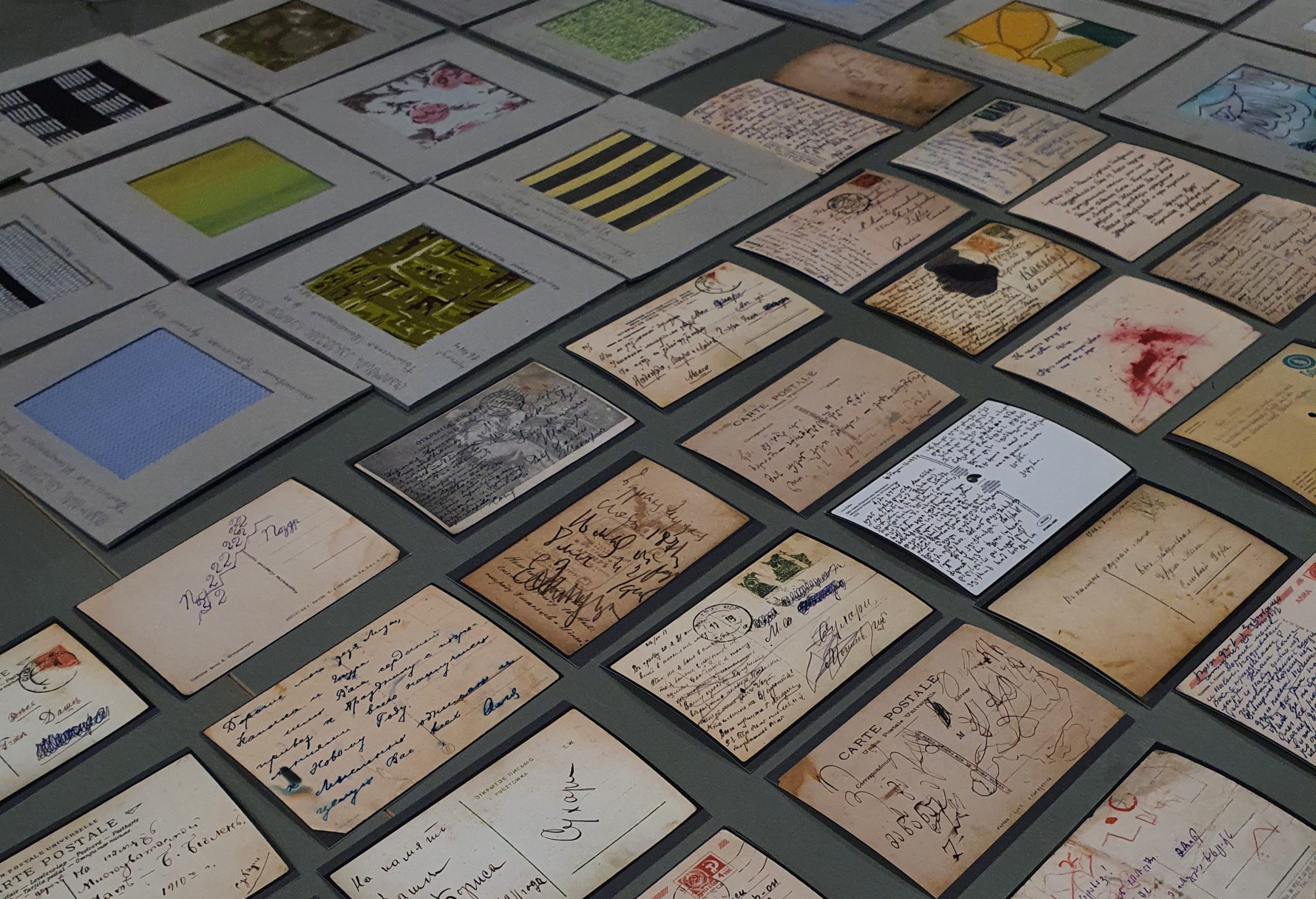
A defining feature of the textile collection, the handwritten technical descriptions on old cardboard labels, became an additional conceptual layer for the exhibition. Text, words, and the visualization of handwriting evolved into one of the exhibition’s key interpretative discoveries. This was articulated most clearly in Guram Tsibakhashvili’s authorial project Once, presented in a museum context for the first time. Based on an archive of old postcards, the work -much like the industrial textile samples, captured the fragile, unstable relationship between memory and time, between image, text, and word.
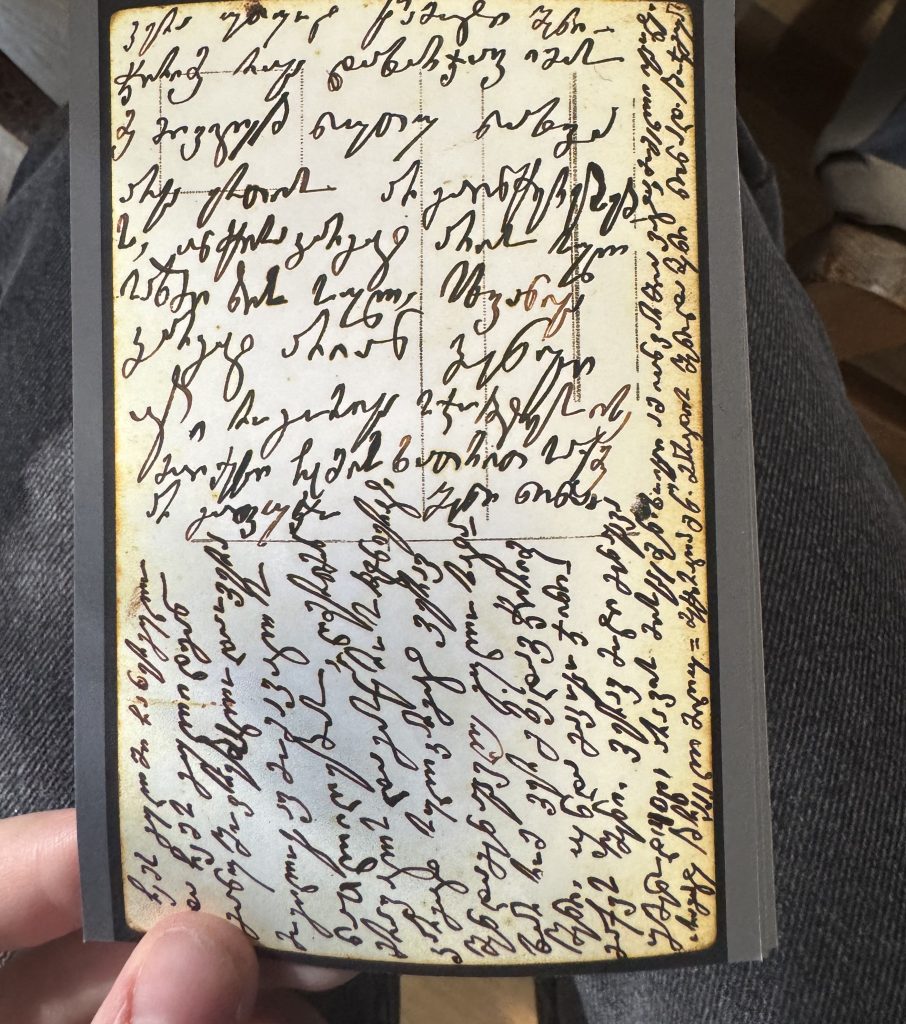
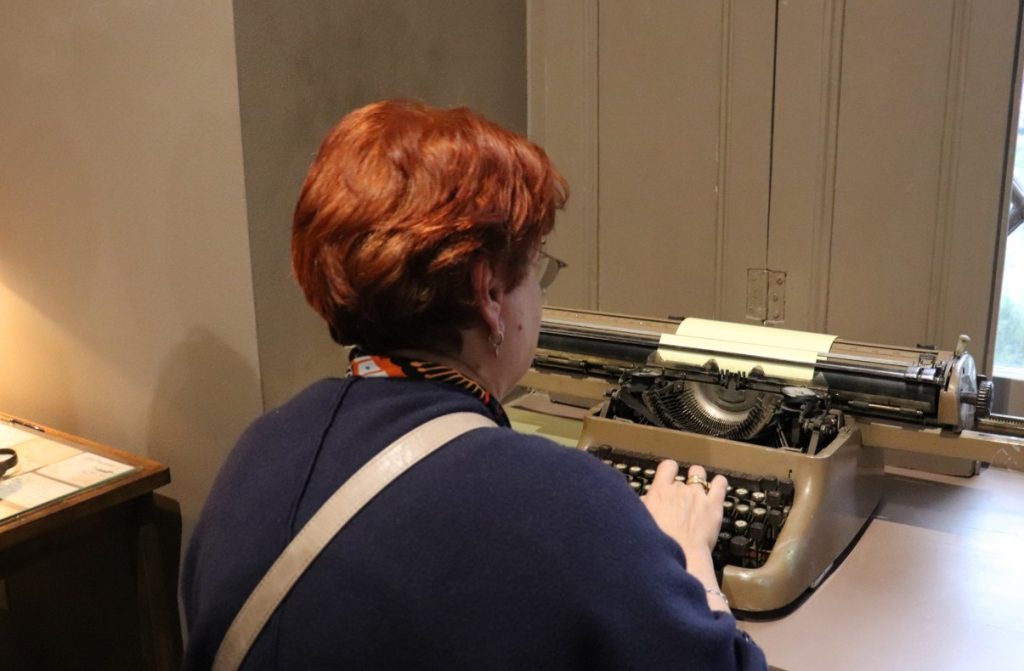
Within the same space, a letter-writing corner emerged as one of the exhibition’s most active and vibrant areas. Visitors became not only observers but co-authors. Writing letters, creating postcards, and synthesizing text and image developed into a practice through which individual memories connected with collective experience.
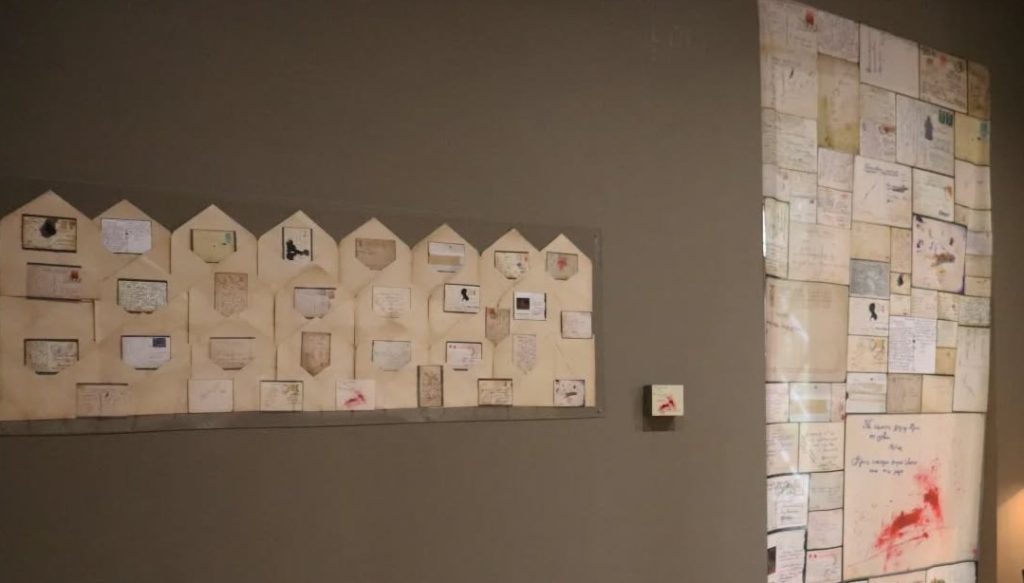
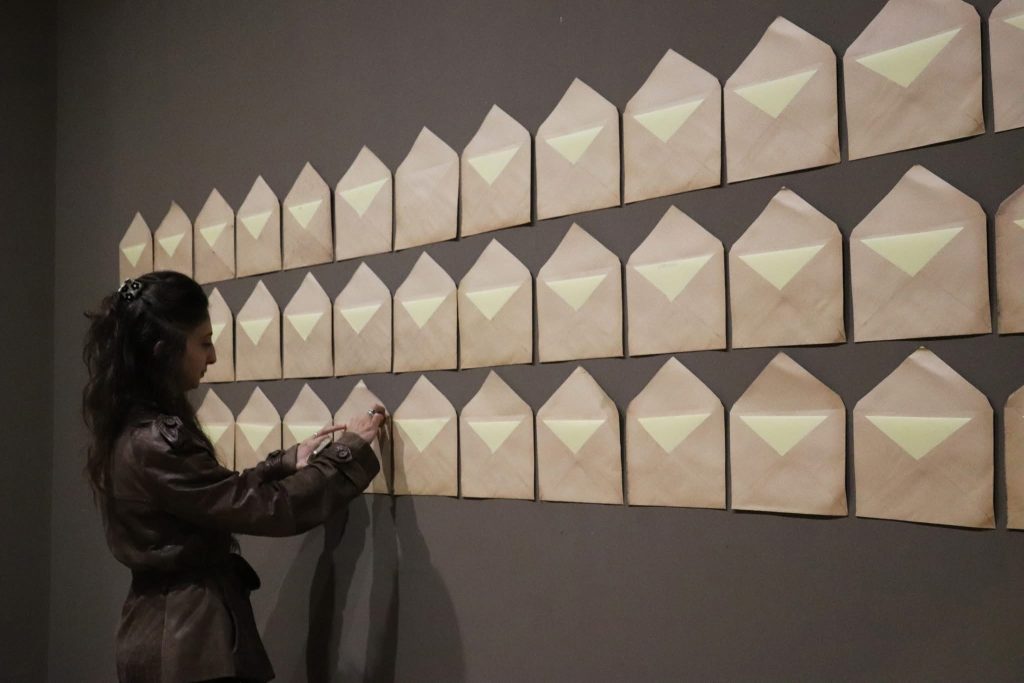
The main motivation behind TEXERE’s public program was the sharing of stories and inspiration. Invited guests gathered around this conceptual axis, and meetings with artists, photographers, writers, and researchers moved beyond discussions of individual artworks, evolving instead into practices of sharing processes and creative thinking.
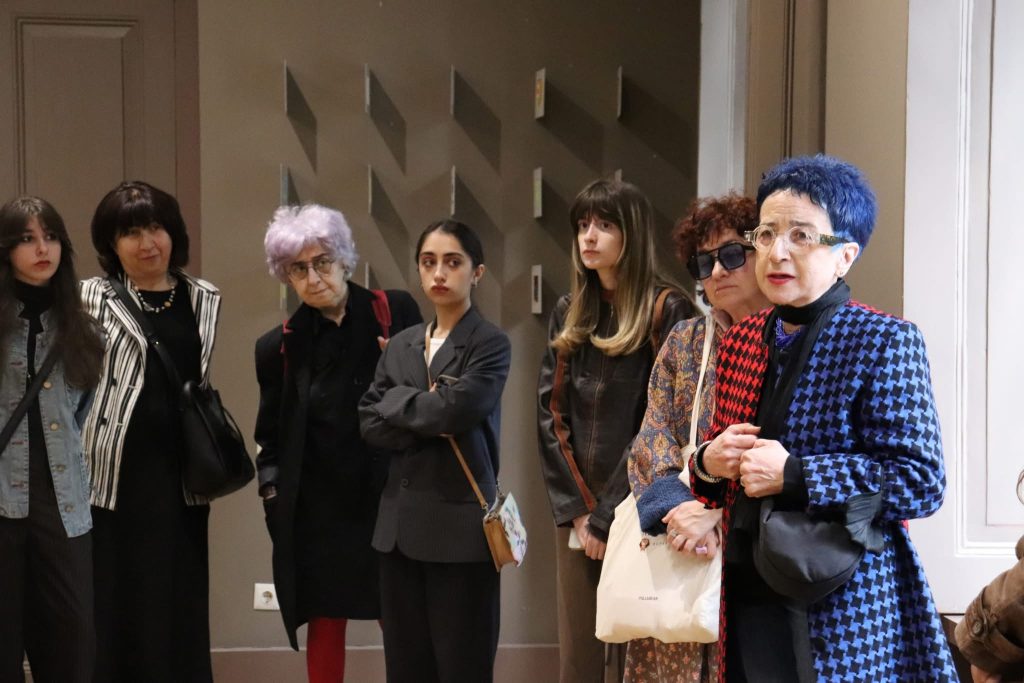
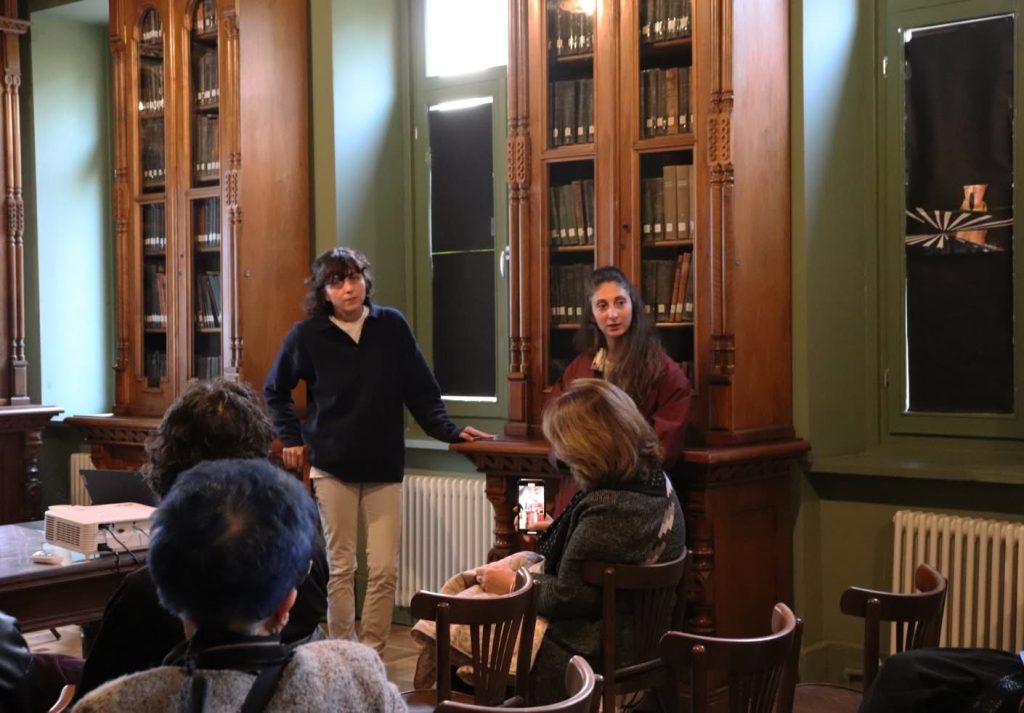
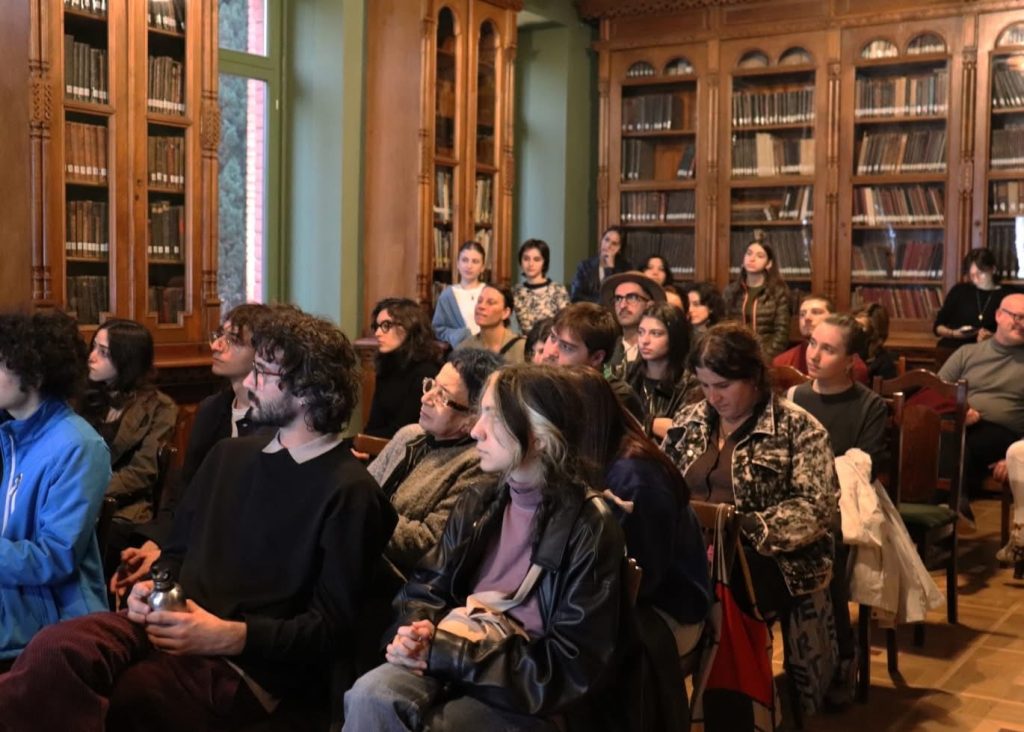
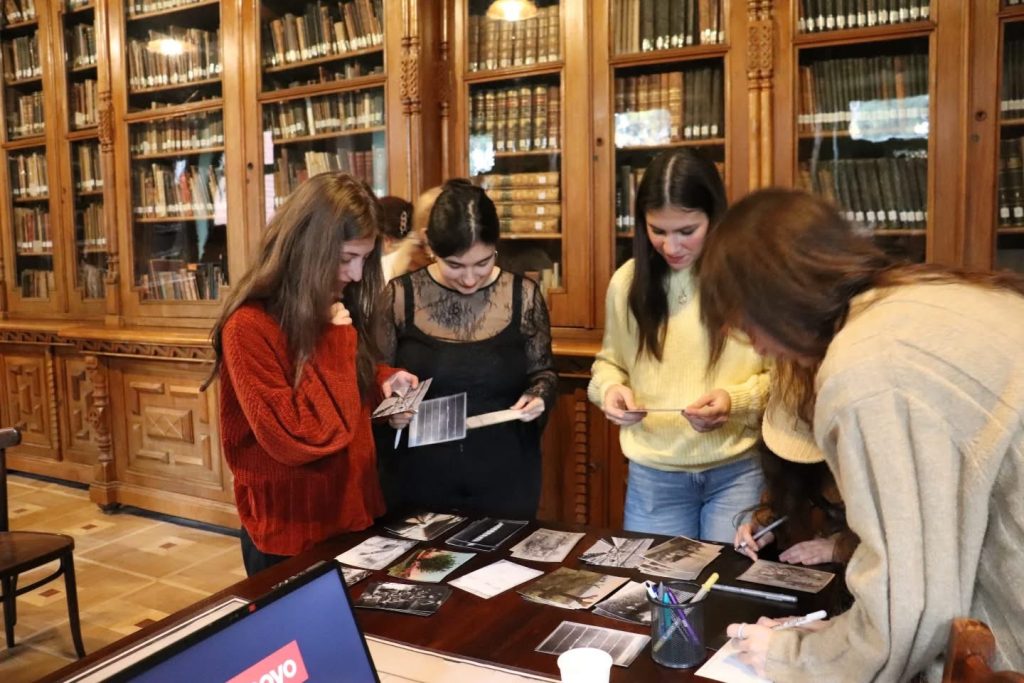
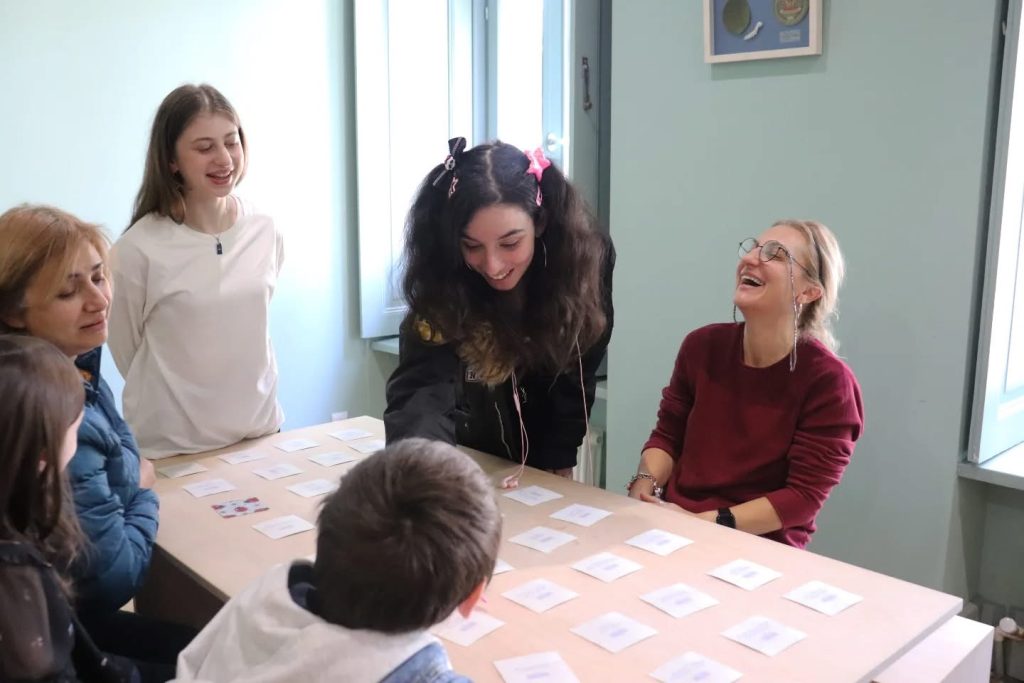
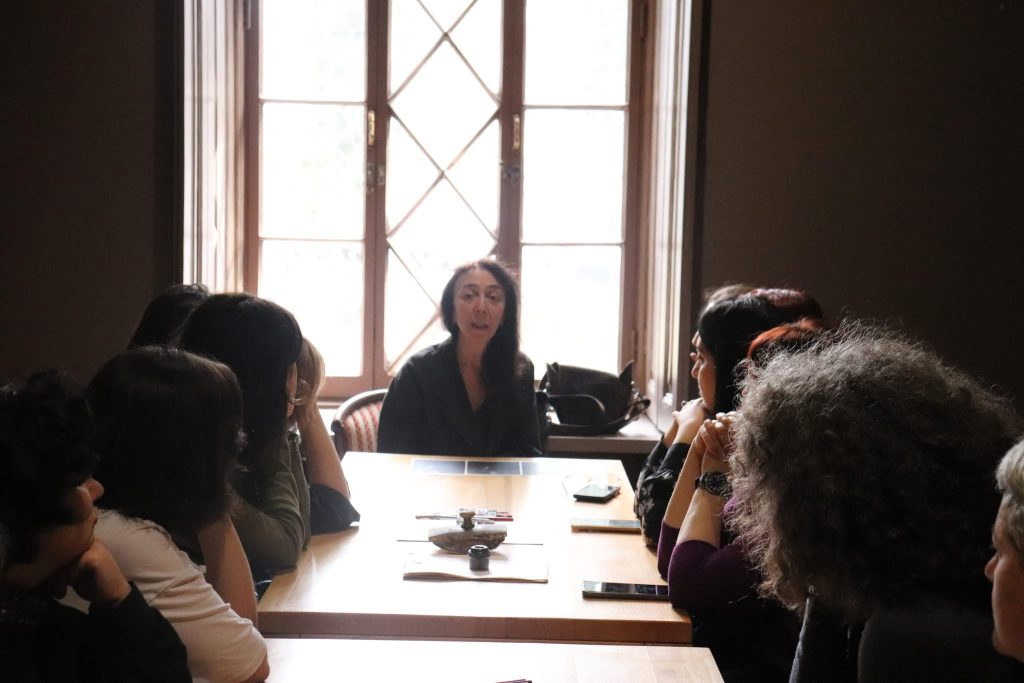
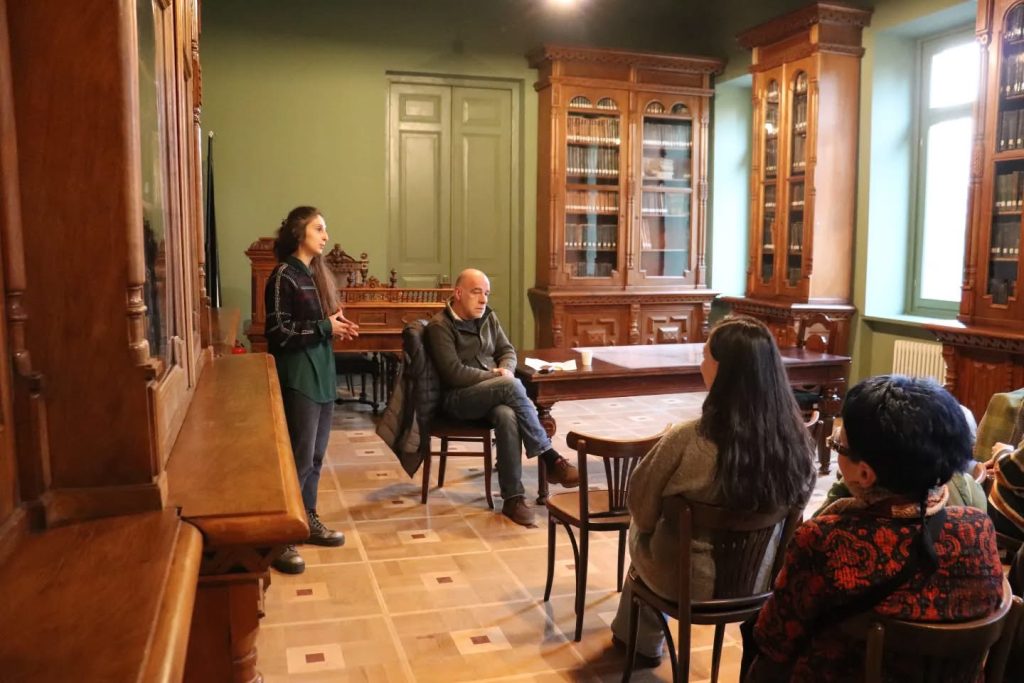
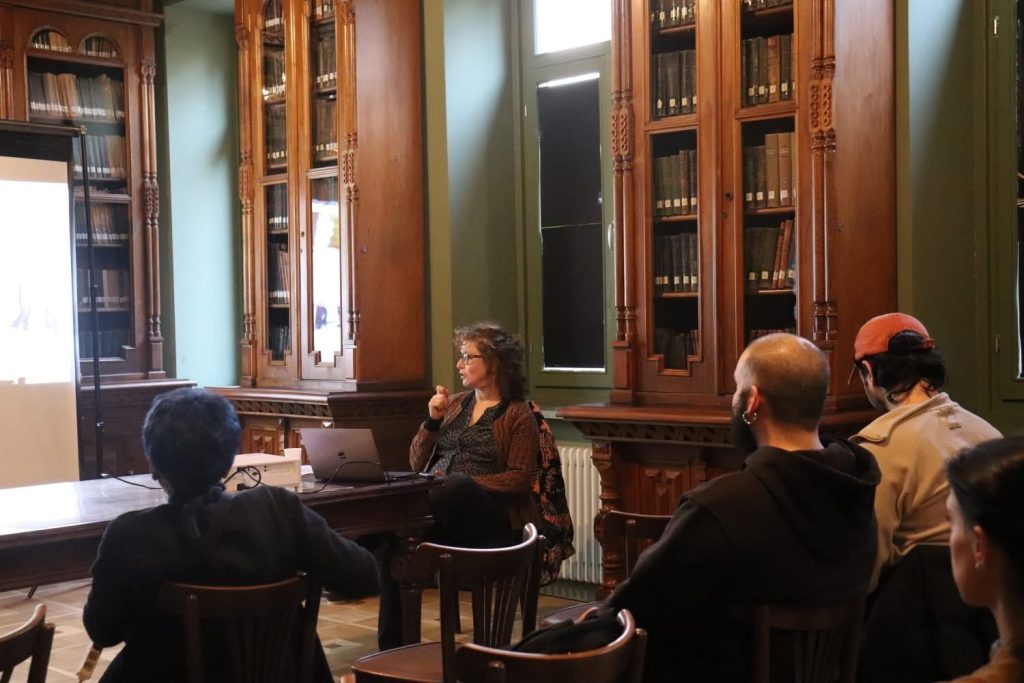
Participating artists Nino Kvrivishvili and Tamuna Chabashvili shared their artistic approaches and working processes. Guram Tsibakhashvili’s talk on the relationship between photography and text concluded with a practical workshop; the interactive meeting led by Tamar Bochorishvili and Naili Vakhania invited participants to actively engage in a memory game. The December program continued with meetings with writers Ana Kordzaia-Samadashvili and Archil Kikodze.
At the exhibition closing, during a meeting with artist Mariam Natroshvili, participants explored the history of one-word letters, wrote their own one-word texts, and concluded with a collective reading process.
In its sketch-like, open, and mutable form, TEXERE continued to reflect on the theme of “the lost and the found.” How do we read the archive today? How do we listen to and perceive this material? What happens when a museum brings personal stories, memories, human voices, letters, and narratives into its space?
On the following pages of this blog post, readers will encounter examples from the exhibition’s interactive program: anonymous letters and personal portraits in which image, textile, color, form, sound, and sign transform into symbols, forming a new emotional vocabulary, or even a new archive. Over time, these materials will acquire additional value as heterogeneous reflections of our fast-moving, complex, and crisis-laden present.
The exhibition was realized within the framework of the museum’s exhibition-direction internship program, under the supervision of exhibition projects curator Mariam Shergelashvili. Participating interns were Nini Bekauri, Anano Gogichadze, Ninutsa Lekishvili, Nini Mamuladze, Sali Khizanishvili. Special thanks are extended to the museum director Nino Kuprava for her direct involvement and support throughout the entire creative process – from the formation of the initial idea to the exhibition’s conclusion – as well as to every member of the museum’s small team, the department heads, interns, participating artists and writers, museum friends, supporters, new visitors, and loyal audiences.
Blog post author: Mariam Shergelashvili