Research project by artist Nino Kvrivishvili
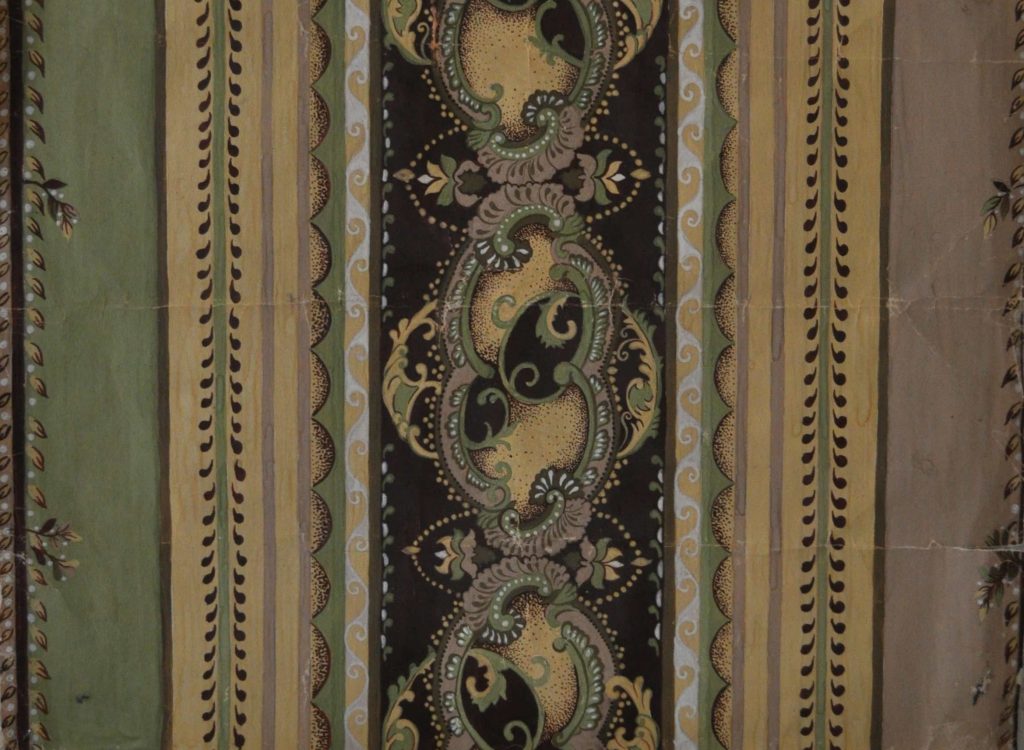
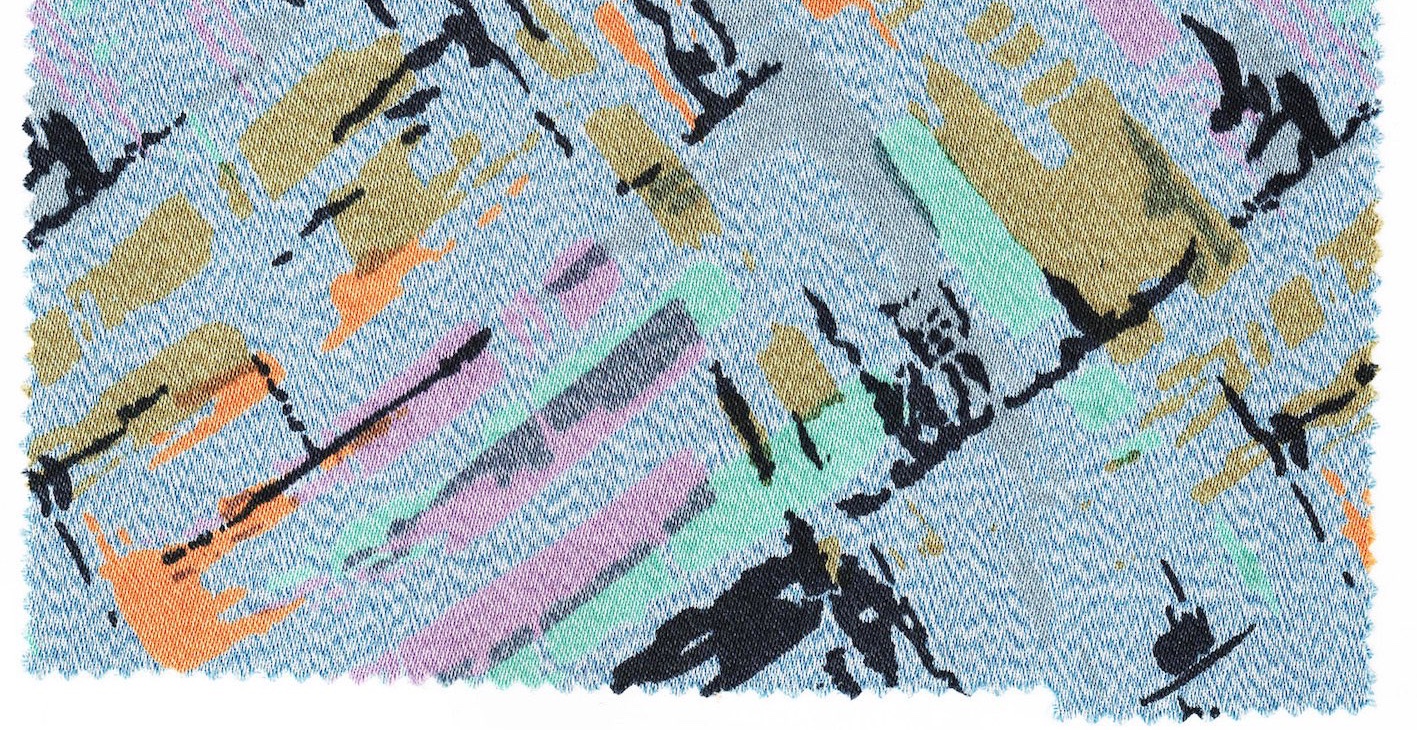
The material was prepared in collaboration with the State Silk Museum. It includes the samples and history of Georgian silk from the Soviet time, as well as the biographies of people who worked at Tbilisi Silk Weaving Factory during the 1950-90s. Today, after decades, we were able to meet several authors and talk about their importance and role in the production. The material is based on personal meetings and records.
Natela Taktakishvili
Textile Artist at Tbilisi Silk Weaving Factory
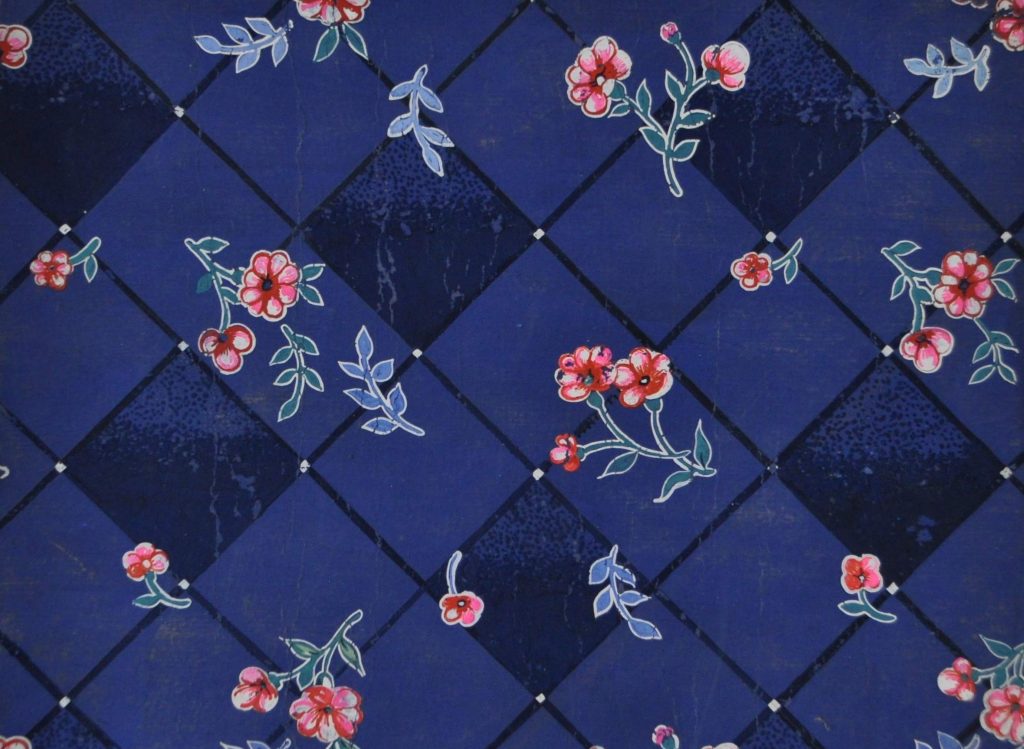
Natela, daughter of Shalva Taktakishvili, was born on September 27, 1940, in Tbilisi. In 1947 she entered Tbilisi Secondary School No. 8, which she graduated from in 1958. In the same year, due to the so-called “internship” requirement, she began working as a preparator at the Institute of Cardiology.
In 1961 she enrolled at the Tbilisi State Academy of Arts, specializing in artistic textile design. By the decision of July 3, 1967, she was awarded the qualification of decorative and applied arts artist. That same year, by decision of the Ministry of Light Industry, Natela Taktakishvili was assigned as an artist to the Tbilisi Silk Weaving Factory. As she recalls, she encountered an interesting and talented group of artists led by chief artist Farna Salaridze. Among her colleagues were Aniko Goderdzishvili, Kako Abuashvili, Keto Pataraia, Jujuna Narimanishvili, Nina Sulkhanishvili, Irakli Nadashvili, Natela Kvirkvelia, Venera Kapanadze, and Elguja Zhvania. A few years later, Tsiala Mamuchaishvili and Mtvarisa Markozia joined the team, whom she also describes as highly talented artists.

As Natela Taktakishvili notes, during this period she became familiar with the factory’s work and its dedicated, industrious people. The working hours at the factory were from 9 a.m. to 6 p.m., during which time artists created textile designs. Gouache was used as the primary material, and no more than six colors were permitted. The designs were drawn on paper, and the rapport was mandatory for reproduction.
The sketches were created for printing onto fabric (for the printing department). Both natural and artificial curtain and dress fabrics were printed. The width of the dress fabric was 90 cm, while the curtain fabric was 1.50 m wide. Fabric printing was done using stencils as well as mechanical rollers.
According to Natela Taktakishvili, there were instances when local management announced competitions for designing headscarves and blue tablecloths. Every three months, an artistic council was held at the factory, attended by local staff as well as representatives of the Ministry of Light Industry. Only the works approved by this council were allowed into production. Typically, designs were first reviewed and selected locally and then evaluated by the ministry council. Once a year, an all-Union artistic council was held in different republics where silk factories operated. At these councils, printed designs were reviewed, and the work of the artist, designer, and colorist was evaluated. Natela Taktakishvili adds that national ornament-based designs were often given preference at the all-Union councils. Regarding her colleagues, she notes that everyone had works distinguished by unique execution.
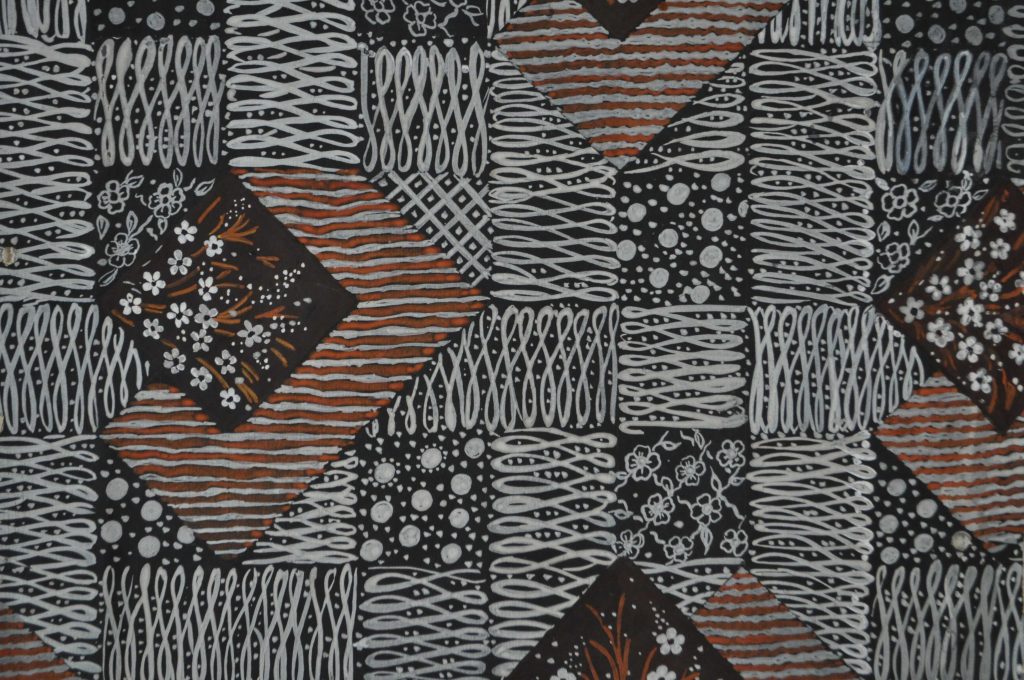
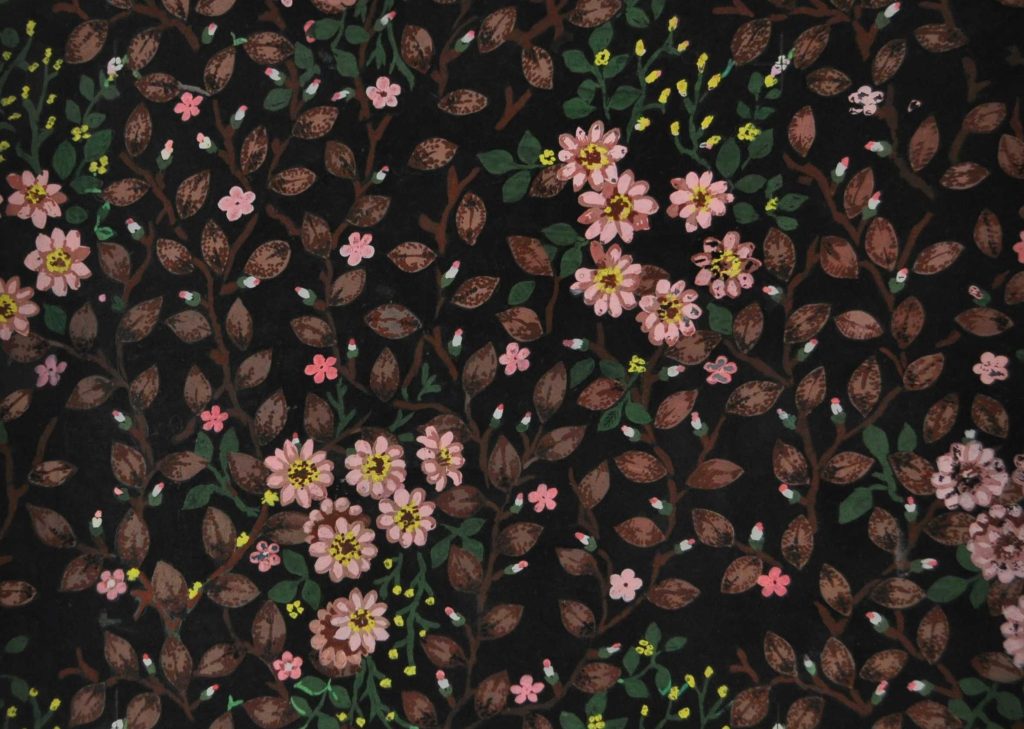
Natela Taktakishvili herself attended these councils on business trips, which could take place in Tallinn, Riga, Moscow, Tashkent, Sheki, and/or Kutaisi. She adds that alongside work, these trips included warm, friendly receptions and visits to city landmarks. She also recalls preparations for one of the artistic councils, remembering a moment of silence followed by a sudden loud noise that first startled everyone present and then caused laughter, when it turned out that Irakli Nadashvili, known, as she says, for his mischievous nature, had bent a large iron ruler and dropped it onto the floor.
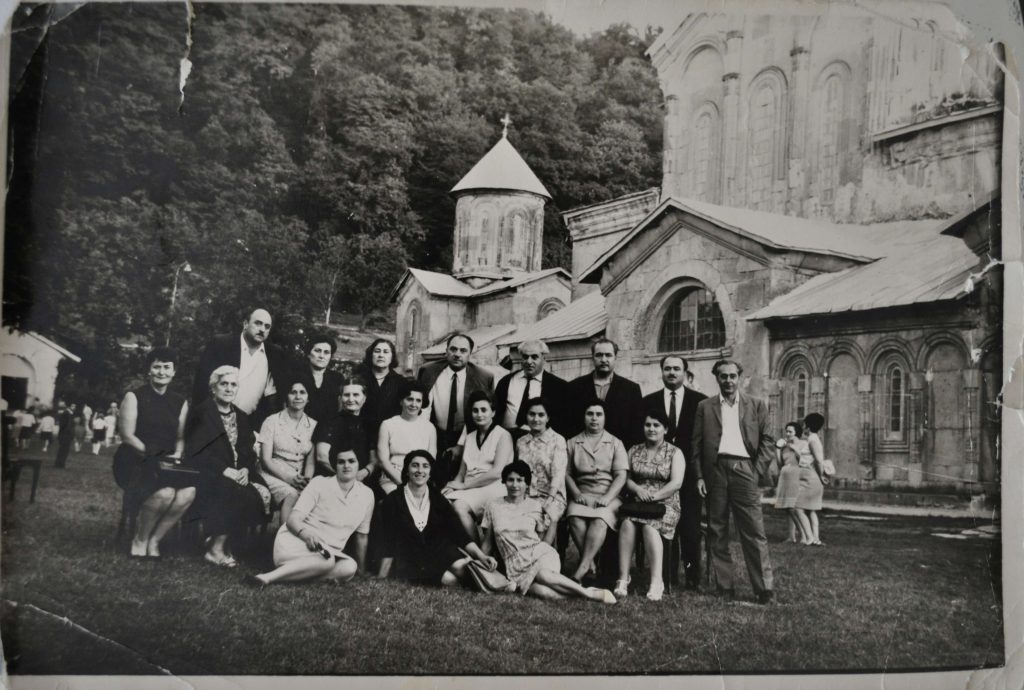
Natela Taktakishvili vividly remembers the fabric store “Lux,” located on Rustaveli Avenue in Tbilisi, where she and her colleagues often observed which fabrics customers chose and favored. She personally recalls owning a silk dress and particularly liking the works of artists from the Moscow factory known as “Krasnaya Roza” and from factories in the Baltic states.
Natela Taktakishvili worked at the Tbilisi Silk Weaving Factory until 1995.